
Limestone Floor Cleaning, Polishing & Restoration in Manchester & Cheshire
Has your limestone floor become dull, scratched, marked or difficult to keep looking clean?
We restore limestone floors in homes and properties across Manchester and Cheshire. Depending on the condition of the stone, we can deep clean, repair, hone and polish the surface to reduce visible wear and restore a more even finish.
Some limestone floors simply need professional limestone floor cleaning. Others need honing, polishing or more complete limestone floor restoration because scratches, etching and worn areas sit within the stone rather than on top of it. We assess the floor first so you understand what it actually needs and only pay for the work that is necessary.
Your limestone does not have to be polished to a high gloss. We can restore a softer honed finish, a satin appearance or a stronger polished finish depending on the stone, the room and how you want the floor to look.
 Real limestone project


When Does a Limestone Floor Need Polishing?
If your limestone is clean but still looks dull, scratched, cloudy or uneven, the problem may be wear within the surface rather than dirt sitting on top.
Professional cleaning can remove contamination and maintenance residue. It cannot remove scratches, acid etching or areas where the original finish has physically worn away.
- The floor still looks dull after it has been cleaned.
- Walking routes look flatter or more worn than the rest of the room.
- Scratches become obvious when daylight catches the surface.
- Pale, cloudy or etched marks remain after mopping.
- Some tiles reflect light while other areas look flat.
- The floor used to look better and ordinary cleaning no longer brings that appearance back.
These are the types of problems where limestone honing, polishing or full floor restoration may be more appropriate than another deep clean.

Limestone Floor Polishing and Restoration Results
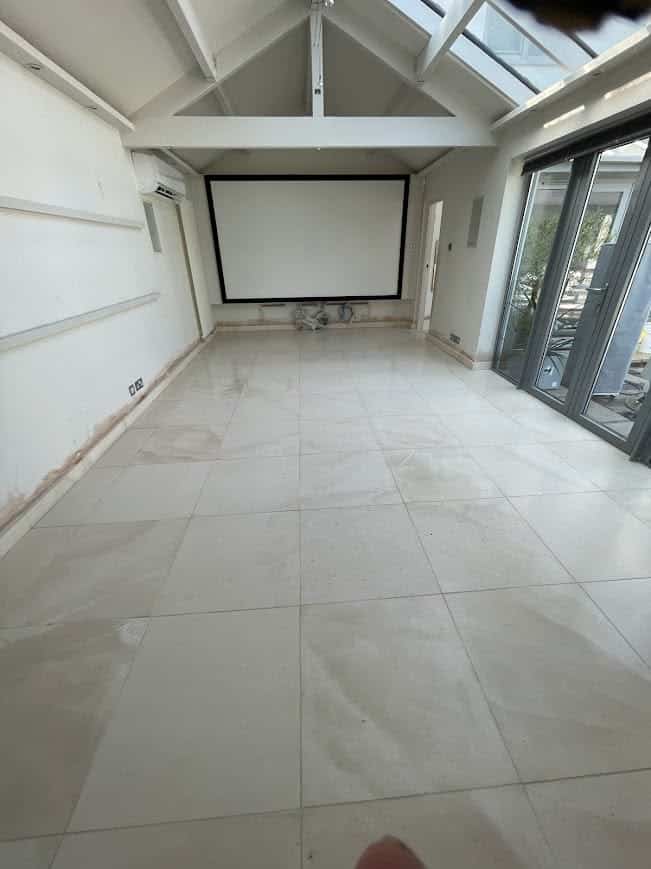
These are real limestone projects. The exact finish depends on the stone and its condition, but the aim is to restore a cleaner, more consistent surface across the whole floor.
Before
Assess the Floor
We look at the dirt, old treatments, scratches, etching, worn areas, grout and repairs before deciding how the floor should be treated.
 During
Clean, Repair and Hone
The limestone is cleaned and prepared before repairs or mechanical honing are carried out where the condition of the surface requires them.
 Finished
Restore the Finish
The surface is refined to the agreed finish so the limestone looks more even across the room and suits how you want the floor to look.
Not every limestone floor needs every stage. The process depends on the stone, its condition, existing treatments, depth of wear and the finish selected.
What Does Your Limestone Floor Actually Need?
You do not need to know the technical answer before contacting us. Tell us what has happened to the floor and what you would like to improve.

Limestone Floor Cleaning
Our professional limestone floor cleaning service is designed for floors where the main problem is ingrained dirt, maintenance residue, dirty grout or contamination, while the limestone surface itself remains in reasonable condition.
If the marks disappear when the floor is properly cleaned and the original finish remains intact, mechanical resurfacing may not be necessary.

Limestone Honing and Polishing
Honing and polishing are more appropriate where scratches, etching, dull traffic lanes or uneven surface wear remain after the floor is clean.
The limestone itself is mechanically refined before the required level of clarity and finish is rebuilt.
Tell Us What Has Happened to Your Limestone Floor
Tell us where the floor is, what it looks like now and what you would like to improve.
You do not need to know whether it needs cleaning, honing, polishing or full restoration. We will use what you tell us to explain the most appropriate next step.
- Only four fields to complete
- No need to diagnose the floor yourself
- Cleaning, honing, polishing and repair enquiries welcome
- Manchester, Greater Manchester and Cheshire
Get Your Fast & Free Limestone Assessment
Tell us a little about your limestone floor and what you would like to improve. You do not need to know whether it needs cleaning, honing, polishing or full restoration, simply describe what you are seeing and we will help you work out the right next step.
No obligation. No technical knowledge needed. Just tell us what is bothering you about the floor.
Cleaning, Polishing, Repair and Limestone Floor Refinishing
The service is built around the condition of the floor, not a fixed package that assumes every surface needs the same treatment.
Limestone Floor Cleaning
Deep cleaning for ingrained contamination, dirty grout, maintenance residue and floors that no longer respond to normal mopping.

Limestone Floor Polishing
Mechanical honing and polishing to refine worn surface layers, reduce visible scratches and rebuild the selected level of clarity.

Limestone Floor Repair
Repairs for holes, chips, cracks and isolated damage where a local correction can protect the wider floor and improve the final result.

Grout Replacement
Removal and replacement of failed or heavily discoloured joints where grout condition is weakening the appearance of the floor.
Tile Replacement and Correction
Assessment of damaged or unsuitable individual tiles where repair alone may not create a dependable result.
Sealing and Aftercare
Limestone cleaning and sealing can be combined where the restored floor needs suitable protection after cleaning, repair, honing or polishing. Protection is selected around the stone, finish and intended use, followed by practical aftercare advice. limestone care products.
Your Limestone Floor Does Not Have to Be Highly Polished
The right finish depends on the stone, lighting, room, desired appearance and maintenance expectations.
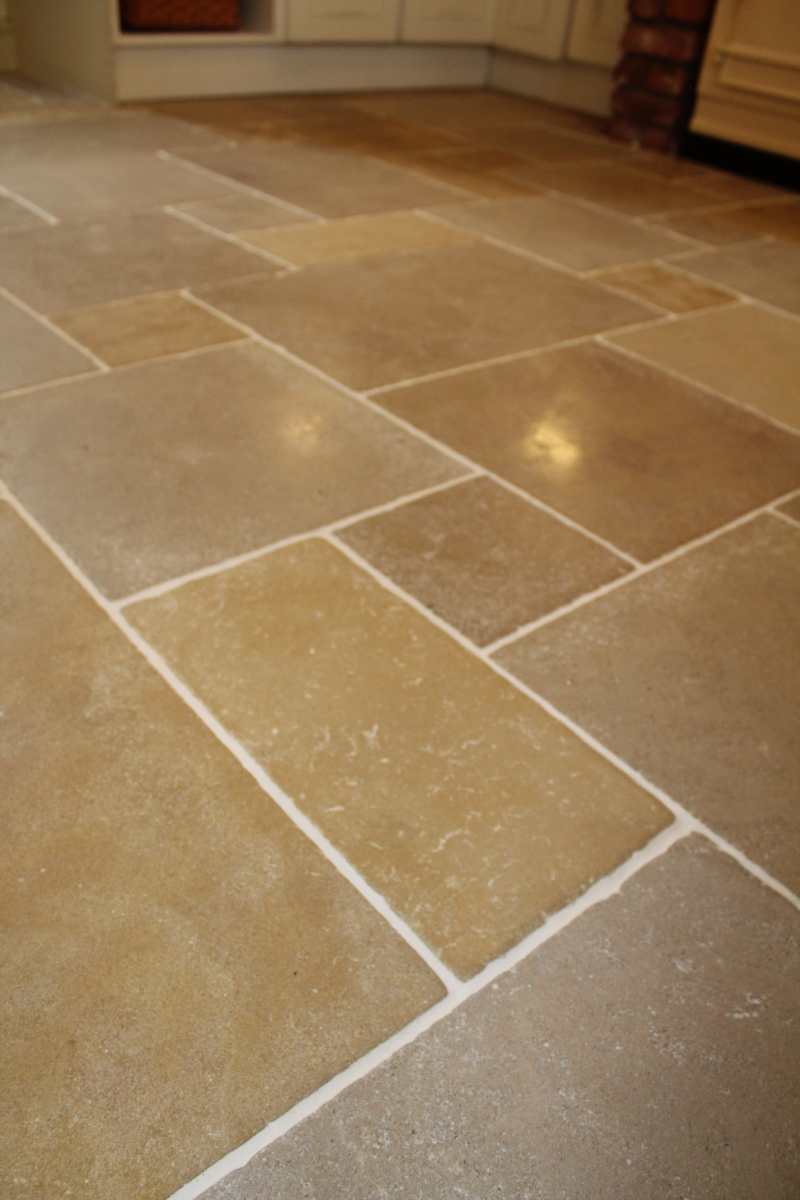
Honed or Matt
A softer, lower reflection finish that can suit traditional limestone, busy family areas and customers who prefer a more natural appearance.

Polished or Satin
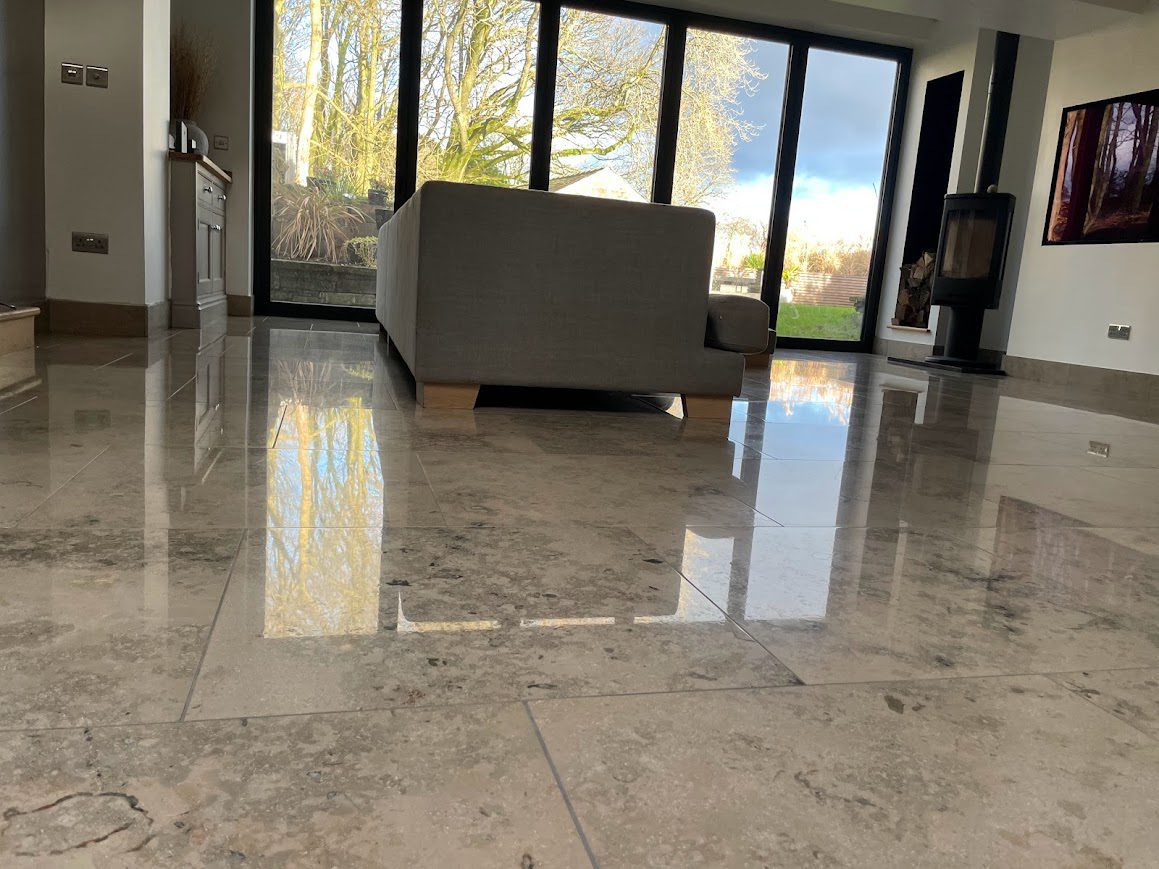
Greater clarity and light response without automatically taking the surface to the highest possible gloss.
High Gloss
A strong reflective finish where the limestone, room and customer preference make this level of polishing appropriate.
Specialist Work That Goes Beyond Applying a Cleaning Product
A limestone floor restoration is controlled in stages so the method remains proportionate to the problem.
- Assess the limestone, finish, damage, grout and old treatments.
- Protect adjoining surfaces and define the work area.
- Deep clean and extract contamination from stone and joints.
- Complete agreed limestone repairs and grout correction.
- Hone or resurface worn areas with the appropriate diamond sequence.
- Refine the surface to the agreed honed, satin or polished finish.
- Apply suitable protection where required.
- Explain ongoing limestone floor maintenance, suitable cleaning products and how to protect the restored finish.
For deeper technical questions, read the limestone polishing Q and A guide.
The Floor Should Support the Room, Not Make the Whole Space Feel Tired
A valuable limestone floor can dominate how a kitchen, hallway or open plan living area feels. When the surface becomes dull or patchy, the room can look poorly maintained even when everything else is finished well.
Professional limestone floor restoration is therefore not only a technical repair. It restores visual consistency, protects the material and gives the homeowner confidence that the floor is being treated by somebody who understands natural stone.
The first decision is not how shiny the floor should become. It is what damage exists, what can realistically be corrected and which finish will suit the customer after the work is complete.

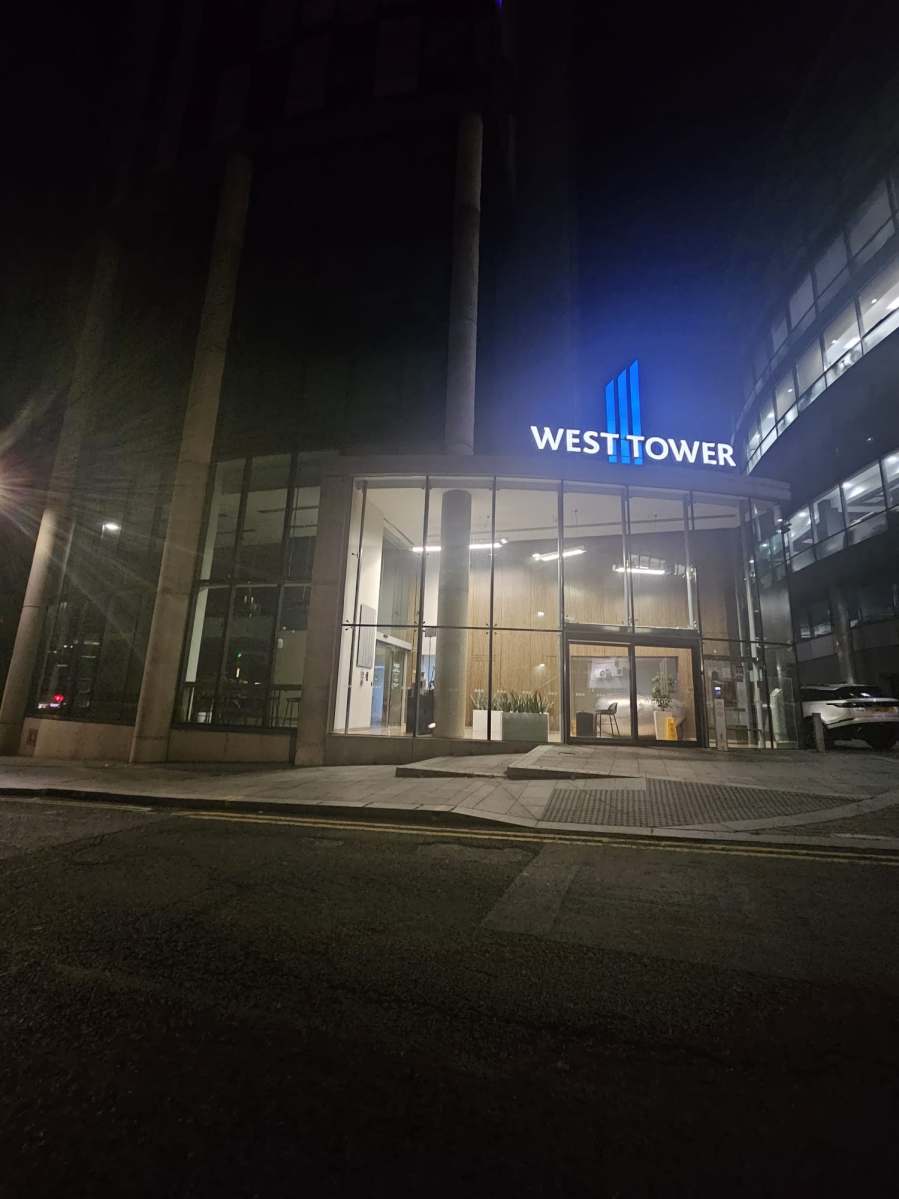
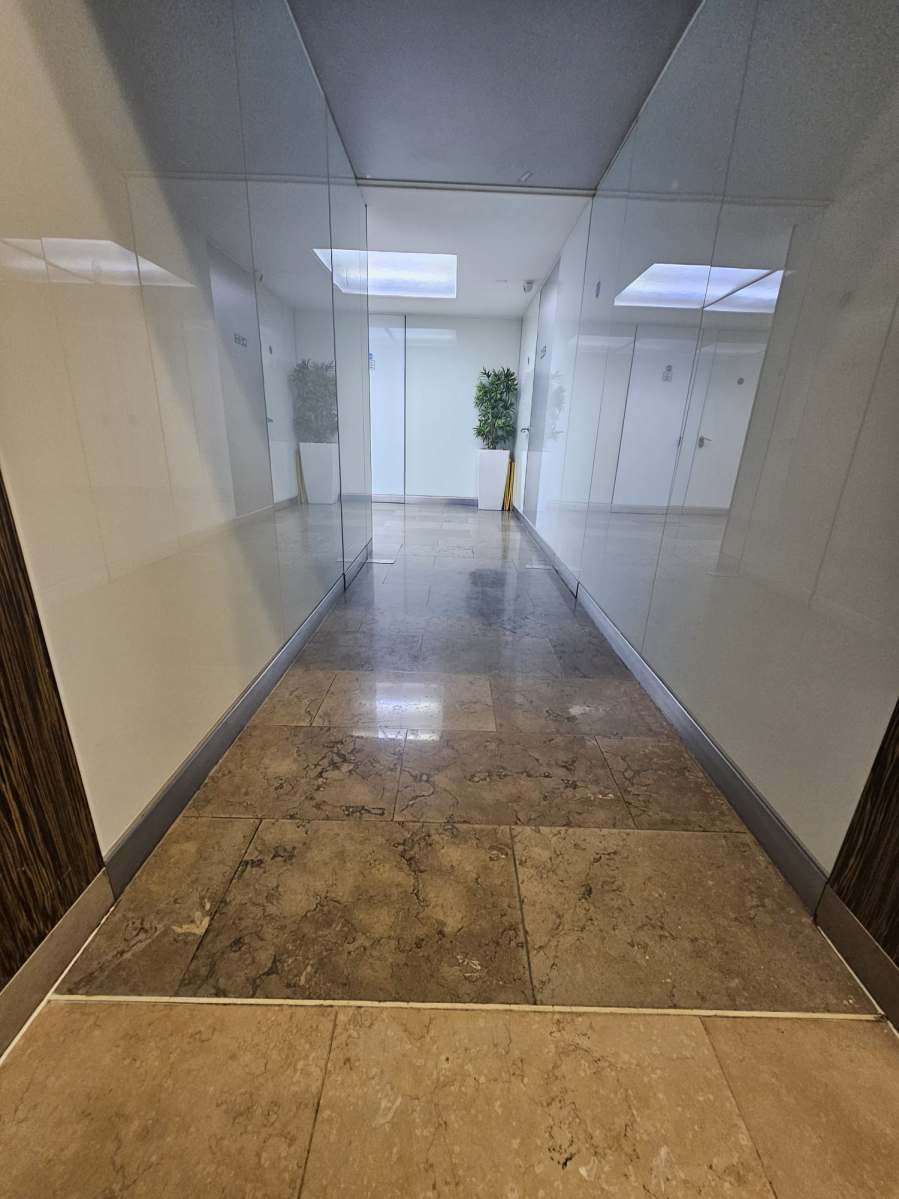
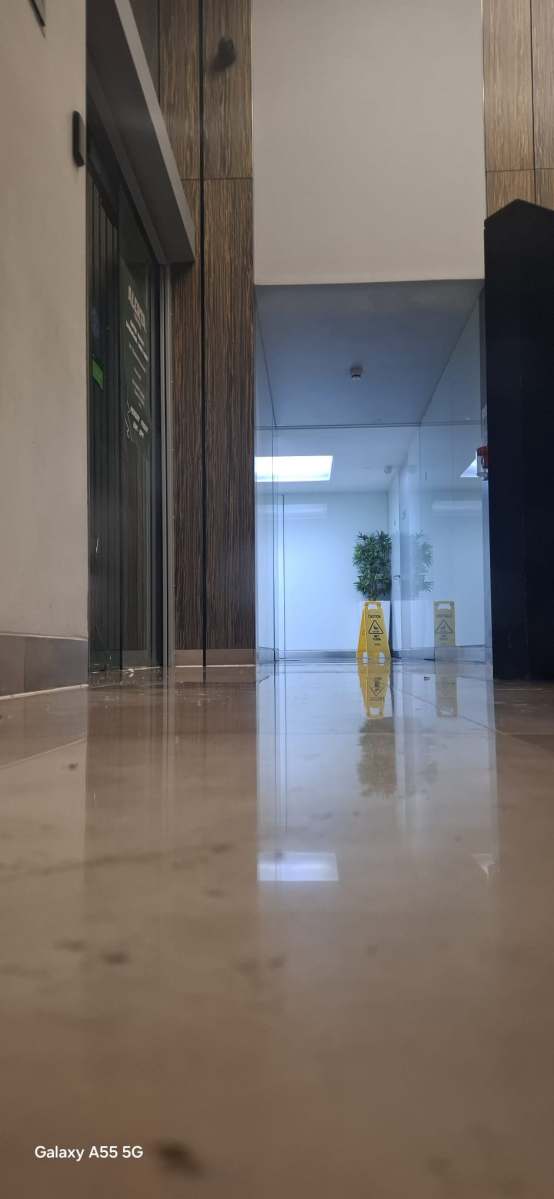
West Tower Limestone Floor Care in a Managed Building
The West Tower photographs show more than a polished close up. They show the building, communal environment and limestone floor in context.
For facilities managers and property teams, the decision includes access, presentation, communication, risk and the ability to work within a shared building. This is a different buying process from a private home and it deserves its own evidence.
- Named managed property project
- Communal hallway and customer facing floor area
- Natural limestone requiring specialist assessment
- Relevant experience for facilities and property management teams

Related Limestone, Stone Care and Local Service Information
Internal links should help the customer answer the next question, not repeat the same sales message.
Limestone Cleaning, Polishing and Repair Questions
What is the difference between limestone cleaning and limestone polishing?
Limestone cleaning removes contamination, maintenance residue and ingrained soil. Polishing and honing mechanically refine the stone surface where scratches, etching, wear or loss of clarity cannot be removed by cleaning alone.
Can you deep clean a limestone floor without polishing it?
Yes. If the problem is ingrained dirt, maintenance residue, dirty grout or contamination rather than damage within the stone, a professional deep clean may be all the floor needs. Polishing or honing is only recommended where scratches, etching, dull traffic areas or surface wear remain after the limestone is clean.
Can scratches and dull traffic areas be removed?
Many scratches, dull areas and worn traffic routes can be reduced through controlled limestone floor resurfacing and refinishing. The achievable result depends on the depth of the damage, the stone and the selected finish.
Can you repair cracks, holes and damaged grout?
Repair options can include filling holes and chips, addressing certain cracks, replacing failed grout and correcting isolated damaged tiles. The floor must be assessed before confirming which repair is appropriate.
Does limestone floor polishing always create a high gloss?
No. Limestone can be finished at different levels, including honed, matt, satin and polished. The correct finish should suit the stone, room, customer preference and maintenance expectations.
Can I use an ordinary limestone tile cleaner instead?
A suitable limestone cleaner is important for routine care and some contamination problems. It cannot remove damage within the stone surface. Where the floor is scratched, etched or worn, professional restoration may be required.
How long does limestone floor restoration take?
Timescales depend on floor size, access, repairs, existing treatments, damage and finish. The work should be scoped after the floor has been discussed or assessed rather than promising one duration for every project.
Which areas do you cover?
Hardfloor Restoration serves Manchester, Greater Manchester, Cheshire and selected surrounding areas. Larger residential and commercial projects may be considered further afield depending on scope.
What happens after I send the form?
We review the details you provide and contact you to understand the floor, visible problems and desired result. The next step may be further photographs, a conversation or an on site assessment depending on the project.
The Next Step Is Not Choosing a Package. It Is Understanding the Floor.
Tell us what you can see and what you would like to change. We will help determine whether the floor needs cleaning, repair, resurfacing, polishing or a combination of treatments.
Ready to Get Your Limestone Floor Looking Right Again?
You've now seen what can be cleaned, repaired, honed, polished and restored. Tell us what you're seeing with your own floor and what you'd like to improve. You don't need to know which treatment it needs we'll help you work that out.
Fast, free and no obligation. Just give us enough information to understand the floor and we'll take it from there.