
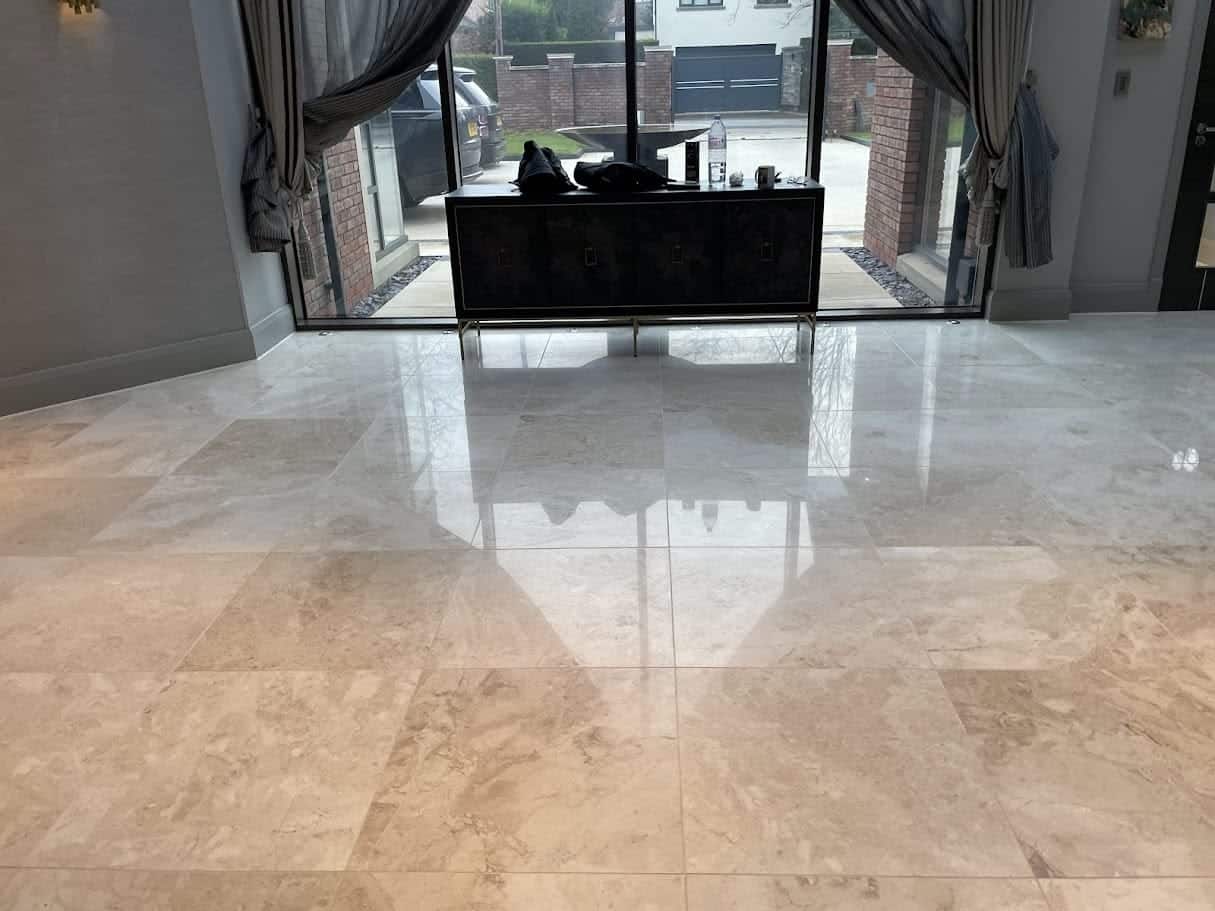
Stone Floor Restoration Experts in Manchester
If your marble, limestone, travertine, sandstone or specialist tiled floor is dull, scratched, stained, damaged or just no longer looks how it should, show us what you are seeing.
We clean, repair, resurface and polish stone floors across Manchester, Cheshire and selected North West areas.
- Dull marble
- Scratched limestone
- Travertine holes and filler loss
- Damaged Victorian tiles
- Sandstone and Yorkstone
- Cracks, grout and local repairs
See What We Can Do With a Floor Like Yours
These are genuine projects. Look at the condition we started with and the result after cleaning, repair, resurfacing or polishing.
 Before
 Restored
Damage That Looked Permanent
Local damage can sometimes be repaired and refinished rather than accepting the defect or replacing the whole floor.
 Restored
Before
After ← Before
Restored
Before
After ← Before
When the Grout Makes the Whole Floor Look Tired
Failed, stained or badly deteriorated grout can make an otherwise good floor look beyond saving. Replacing it can change the appearance of the whole floor without replacing the floor itself.
 During repair
 Restored
Repair the Pattern, Not Just the Surface
Missing and damaged tiles, poor previous repairs and tired grout can all affect how a heritage floor reads as a whole.
 Before
 Restored
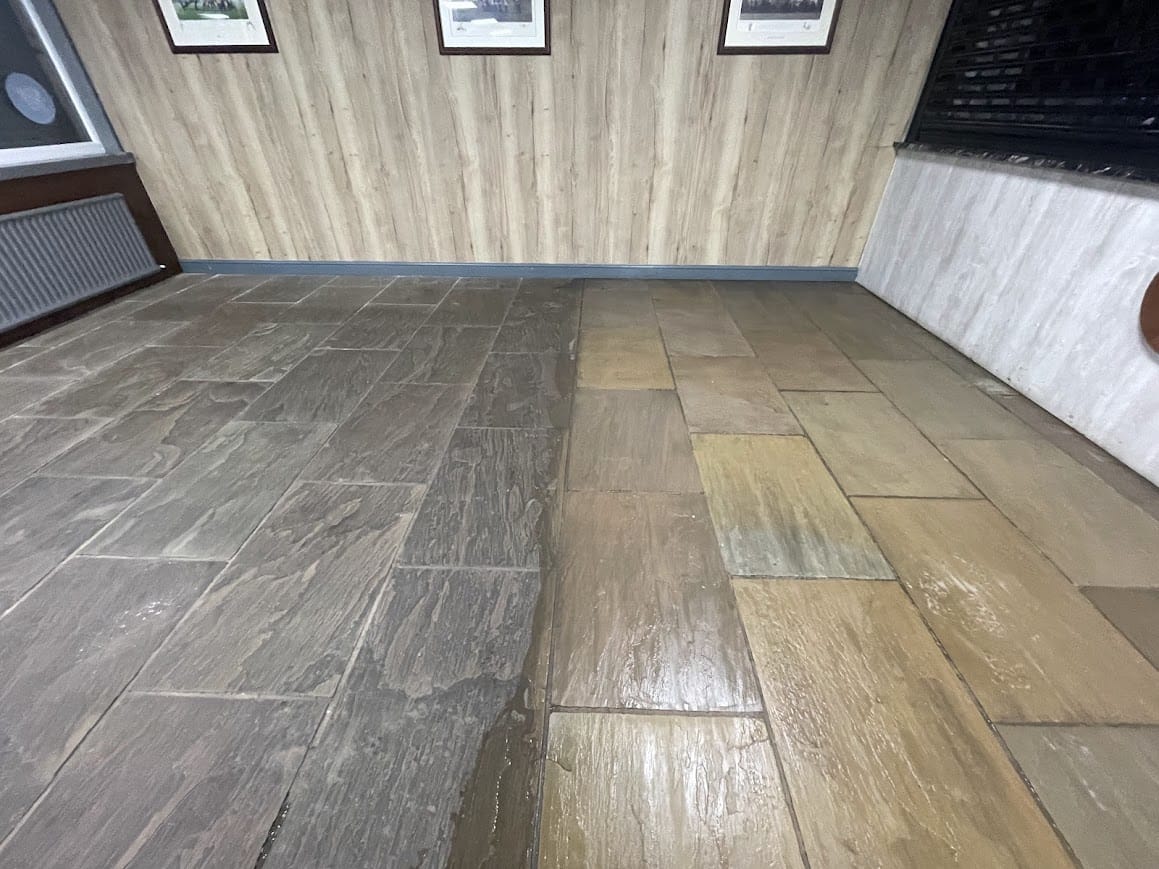
Years of Dirt Can Hide the Stone Completely
Porous stone can hold deep contamination. The right process can reveal far more of the original colour and character.
A Floor That Looks Ruined Does Not Always Need Replacing
Scratches, dull areas, staining, damaged grout, old coatings and local repairs can make a stone floor look far worse than it actually is.
Sometimes another clean will not change very much. Sometimes the surface needs honing, polishing, repair or a failed treatment removed first. Our stone floor restoration service is for floors where cleaning alone is no longer enough.
What Does Your Floor Need?
If you know the material, choose it below. If you do not, start with the problem or use the form and send us a photograph.
Marble Polishing and Repair
For dullness, scratches, etching, damaged grout, chips and loss of reflection.
See Marble Restoration → LimestoneLimestone Cleaning, Polishing and Repair
For floors that still look dirty after cleaning, worn traffic lanes, scratching, staining or failed finishes.
See Limestone Restoration → Victorian and MintonVictorian Tile Restoration
Cleaning, tile replacement, pattern repair, grout work and protection for period floors.
See Victorian Tile Restoration → Natural stoneStone Floor Restoration
Professional restoration for travertine, sandstone, Yorkstone, quarry tile and other worn, damaged or heavily contaminated natural stone floors.
See Stone Floor Restoration → RepairsCracks, Holes, Grout and Local Floor Damage
Repairs where the problem is damage rather than general dirt or loss of shine.
See Floor Repair Options → New floorsFloor Tiling and Preparation
For floors that need replacement, new installation, preparation, levelling or underfloor heating integration.
See Floor Tiling Services →Tell Us About Your Stone Floor
Not sure whether your floor needs cleaning, polishing, repair or restoration? You do not need to know. Tell us what has happened to the floor and what you would like to improve. We will help you work out the sensible next step.
A few details are enough to get started.
When the Floor Looks Tired, the Whole Room Feels Tired
A beautiful kitchen, hallway or living space can still feel unfinished when the floor is dull, scratched, stained or carrying years of poor treatments.

Polishing Is Only Part of the Job
Marble can be dull because of scratching, etching, wear, lippage or previous treatment. The finish has to be selected around the actual condition of the stone.
See Marble Polishing and Restoration →
A Floor Can Be Clean and Still Look Wrong
Traffic wear, scratching, staining and failed coatings can remain after ordinary cleaning. Restoration can bring the floor back to a more even, intentional finish.
See Limestone Cleaning and Polishing →
Holes, Filler Loss and Uneven Wear Need the Right Repair
Travertine is naturally open and porous. Cleaning, filling, repair, polishing and sealing need to be chosen around the stone rather than treated as one generic job.
See Natural Stone Restoration →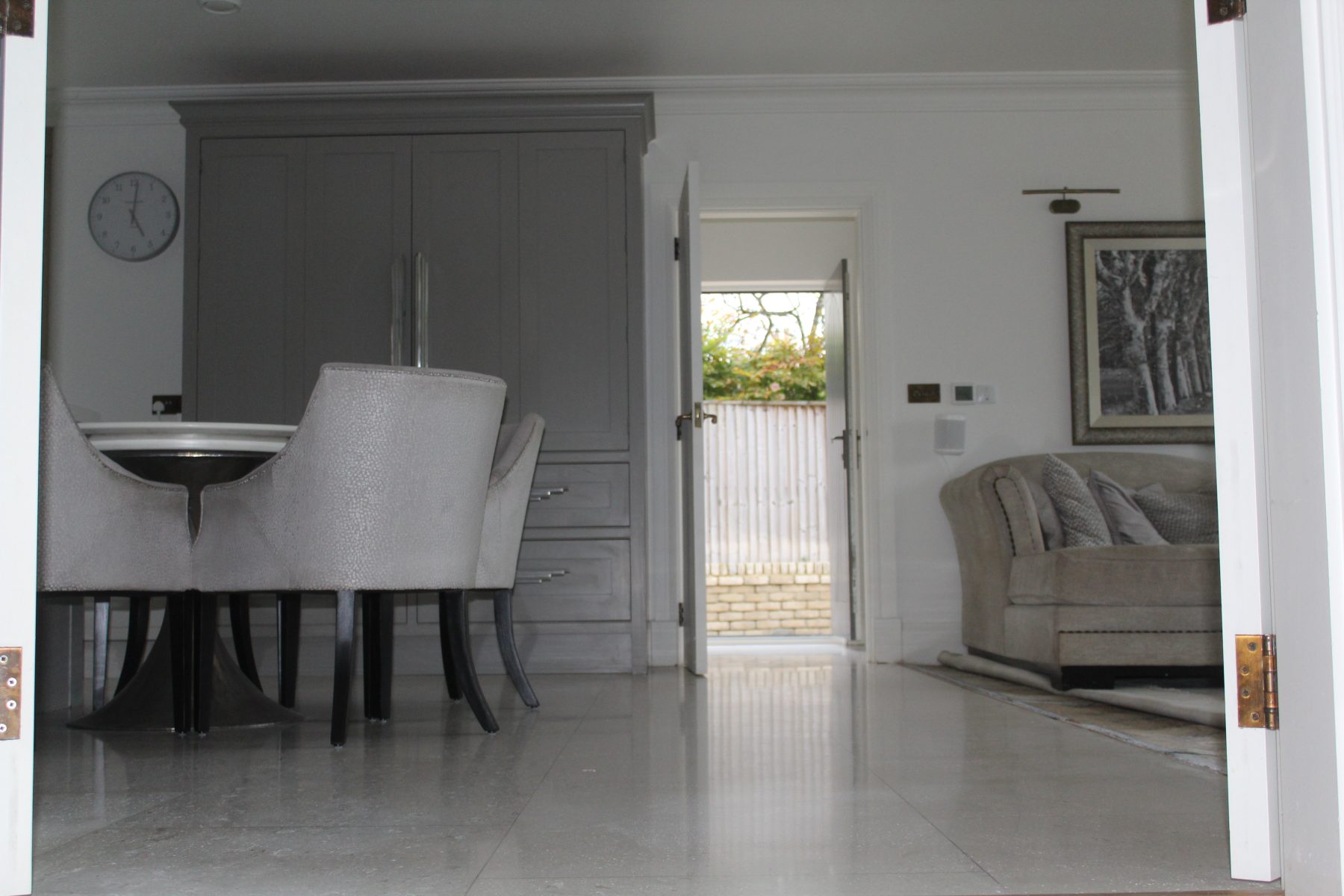
Porous Stone Can Hold Years of Contamination
Deep cleaning, repair and the right protection can transform stone that has gradually become darker, flatter and harder to maintain.
See Stone Floor Restoration →Sometimes the Problem Is Damage, Not Dirt
Cracks, holes, failed grout, missing tiles and poor previous repairs can stop an otherwise good floor from looking right.
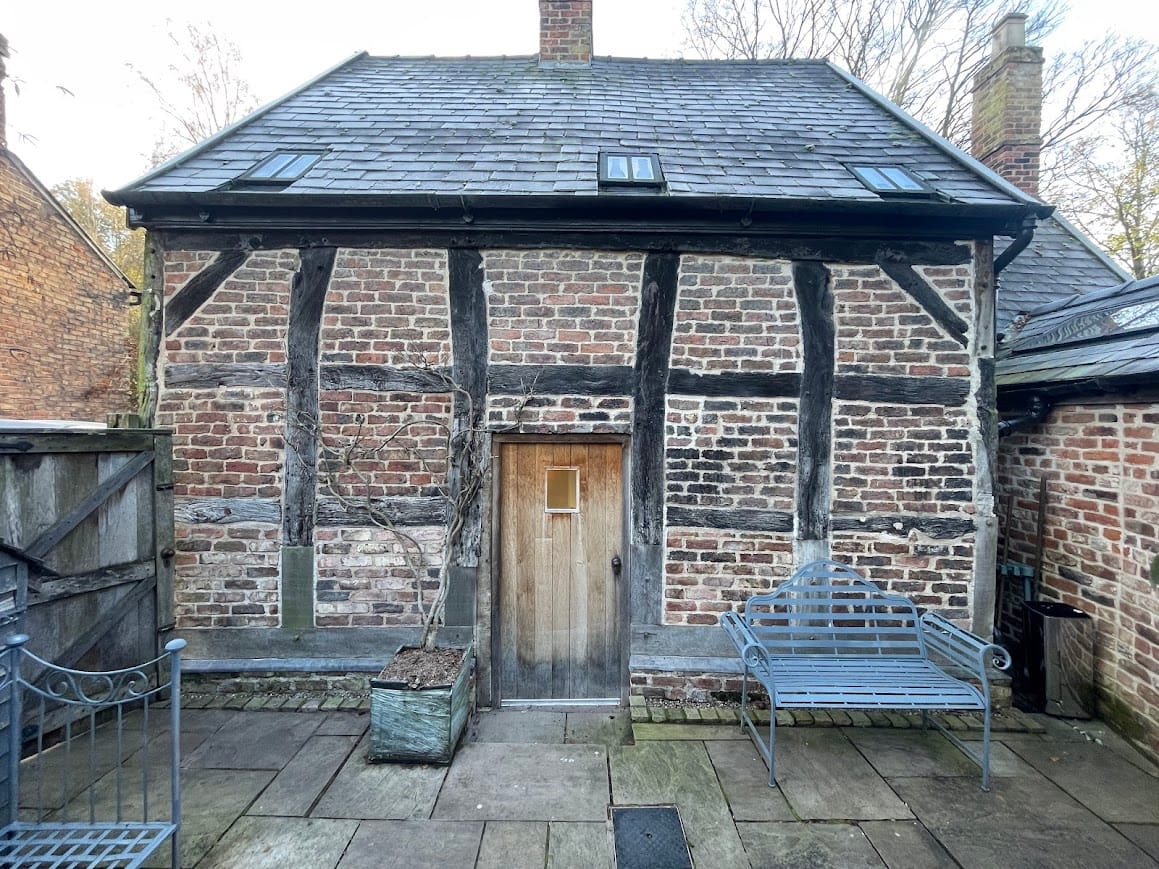
Old Floors Need Repair That Belongs With the Floor
The aim is not simply to fill a hole. The repair has to make sense beside the existing material, wear and age of the surface.
See Floor Repair and Restoration →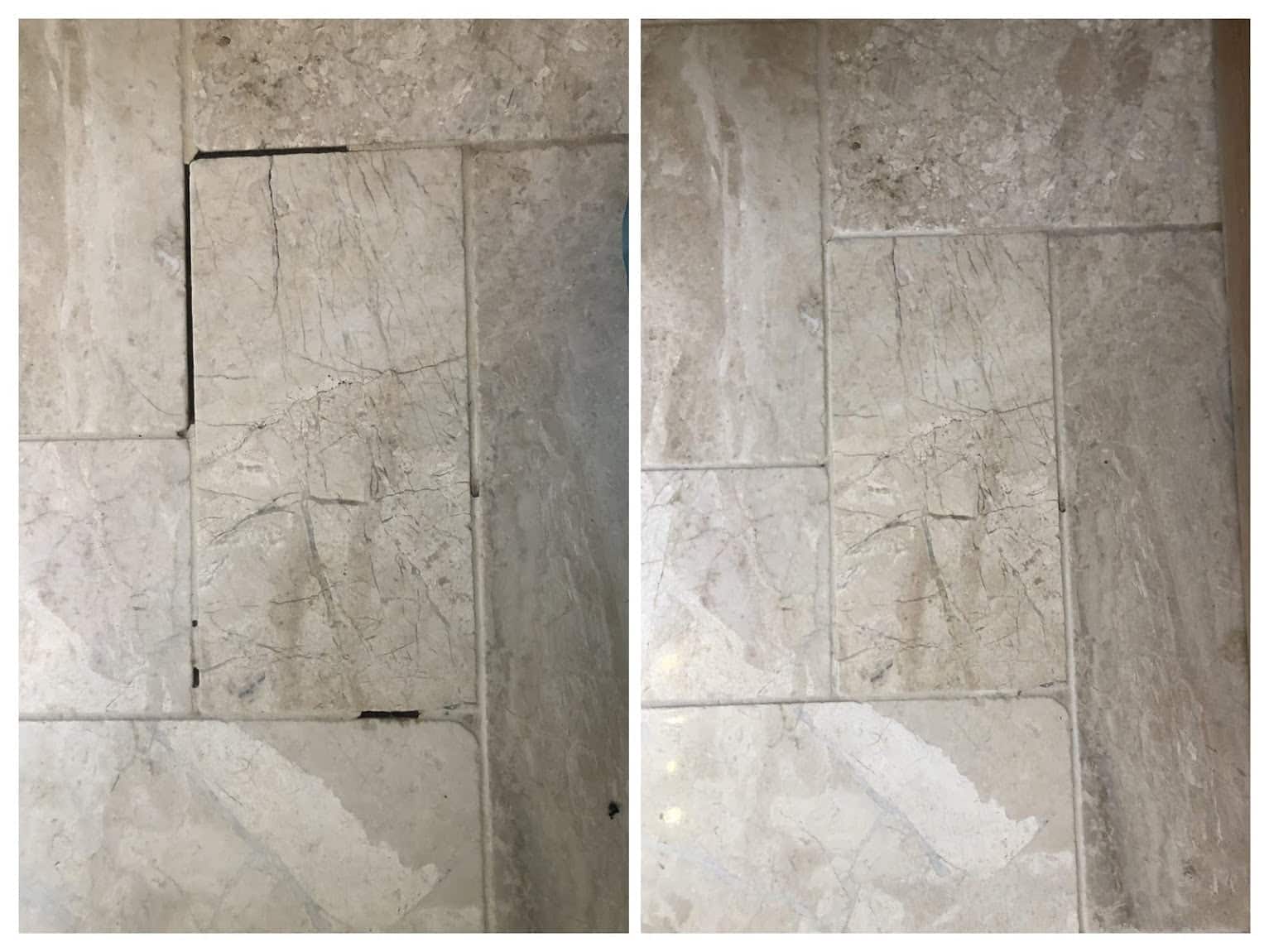
Grout Can Make a Good Floor Look Tired
Failed, cracked or badly discoloured joints can sometimes be repaired without replacing the surrounding floor.
See Repair Options →Look at the Floors
Polished words do not tell you whether somebody can restore your floor. The work does.
 In progress
The Process Has to Match the Finish You Want
Not every floor should be pushed to the same shine. The condition of the stone and the room both matter.
 Completed project
Judge the Whole Room
A close-up can hide inconsistency. Complete-room photographs show whether the finish works across the entire floor.
Thinking About Restoring Your Stone Floor?
Tell us a little about the floor, what has changed and what you would like it to look like again. We can then advise what type of restoration may be suitable and what the next step would be.
Not sure what stone it is? That’s fine. You don’t need to diagnose the floor yourself.
What Happens When You Ask Us About Your Floor
You do not need to diagnose the floor before contacting us. Start with what you can see and we will take it from there.
Tell Us What You Are Seeing
Tell us the material if you know it, the visible problem and how you would like the floor to look.
Send Photos or Arrange a Visit
We gather enough information to understand the surface, condition, access and likely cause of the problem.
We Explain the Options
That may mean cleaning, repair, honing, resurfacing, polishing, sealing or replacement where appropriate.
You Get a Clear Quote
The scope should explain what we propose to do and what result is realistic for that particular floor.
We Carry Out the Work
The process is chosen around the floor rather than applying the same treatment to every surface.
We Show You How to Look After It
You are shown what to use, what to avoid and how to protect the finish afterwards.
Start With the Problem, the Floor or the Work
Every link below tells you exactly what opens next.
My Floor Is Dull, Scratched or Still Looks Dirty
Open the main stone floor restoration service covering cleaning, honing, resurfacing, polishing and sealing.
See Stone Floor Restoration →My Floor Has Cracks, Holes or Bad Grout
Open the repair service for local floor damage, grout failure, chips, missing sections and restoration work.
See Floor Repair Options →I Want to See More Work Before I Contact You
Open the gallery and look through genuine before, during and after project photographs.
View the Project Gallery →This Is a Commercial or Managed Building
Open the commercial service for communal areas, facilities, commercial access and planned floor work.
See Commercial Floor Services →I Need a New Tiled Floor
Open the floor tiling service for preparation, levelling, layout, installation and underfloor heating integration.
See Floor Tiling Services →I Am Not Sure What the Floor Is
You do not need to guess. Use the form below, describe what you are seeing and send photographs if available.
Tell Us About the Floor →Stone Floor Cleaning, Repair, Polishing and Restoration
Hardfloor Restoration works with marble, limestone, travertine, sandstone, Yorkstone, quarry tile, Victorian and Minton floors across homes, managed properties and suitable commercial sites. The service can include deep cleaning, grout work, local repair, honing, resurfacing, polishing, sealing and restoration depending on the material and condition of the floor.
If you already know the material, use the specialist pages for marble polishing, limestone cleaning and polishing, Victorian tile restoration or the wider stone floor restoration service. If you do not know what the floor needs, send us the problem instead.
You Do Not Need the Technical Answer Before You Contact Us
Tell us a little about the floor, what is bothering you and what you would like to improve. If the floor can be restored, we can explain the sensible route from there.
Tell Us About Your Stone Floor
Not sure whether your floor needs cleaning, polishing, repair or restoration? You do not need to know. Tell us what has happened to the floor and what you would like to improve. We will help you work out the sensible next step.
A few details are enough to get started.