
Travertine Floor Restoration: Why Professional Care Makes Your Floor Last 40–50 Years
Before & After Travertine Floor Restoration – A Real Example
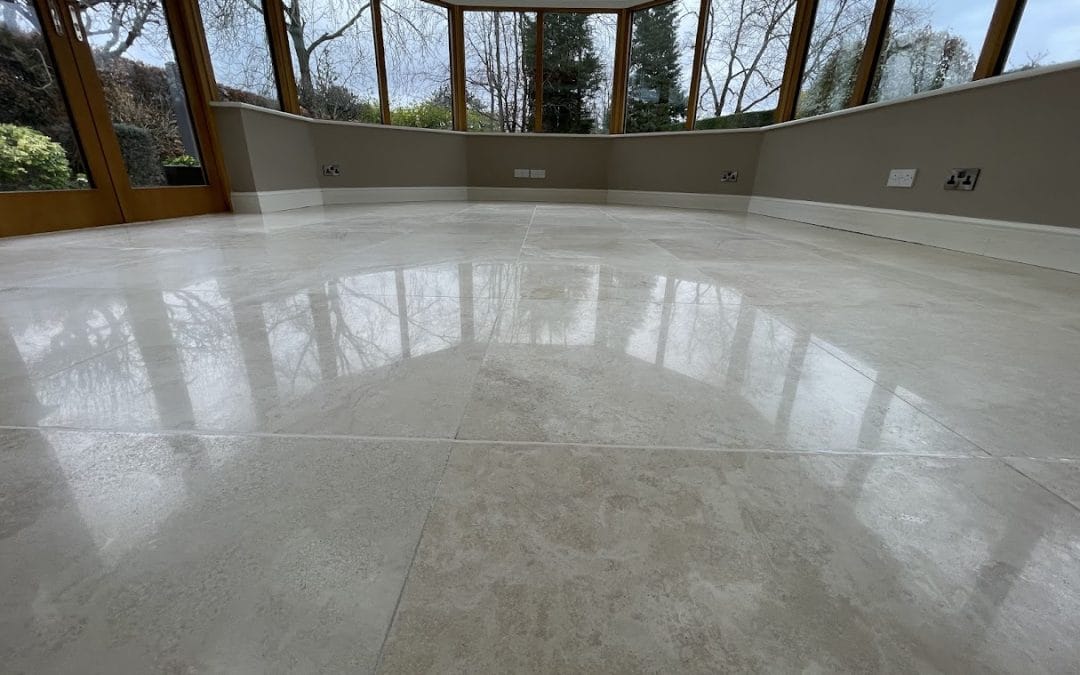
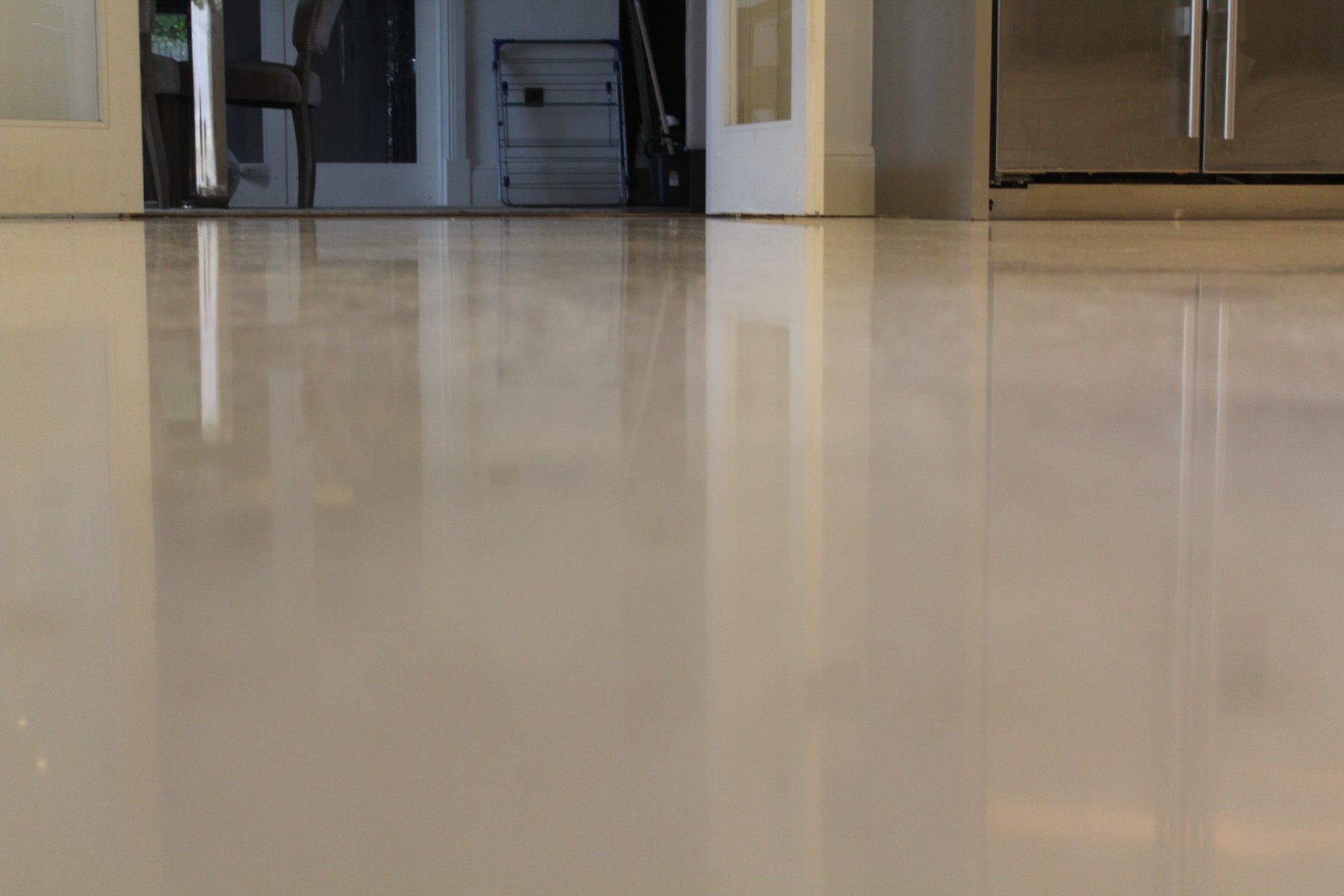
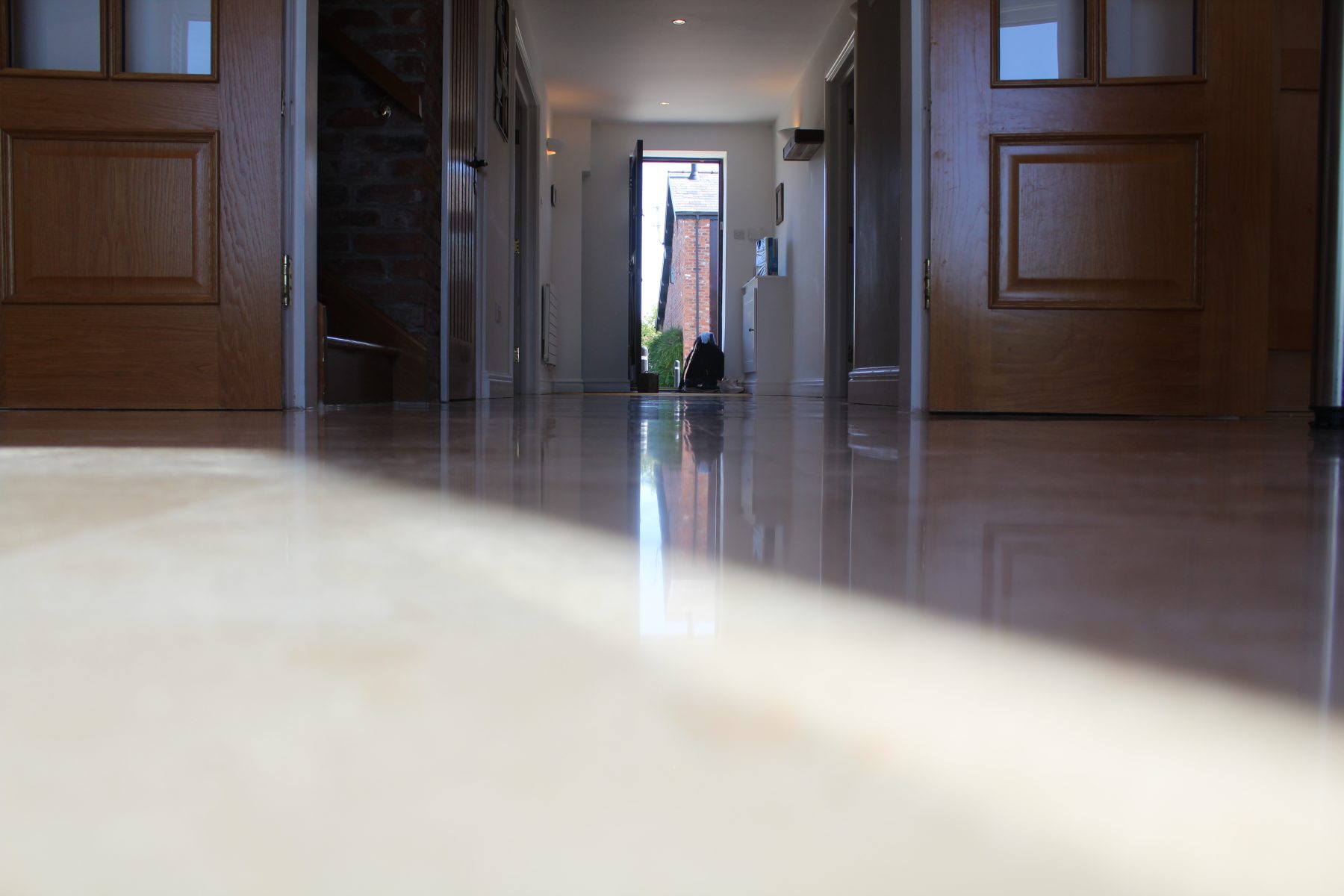
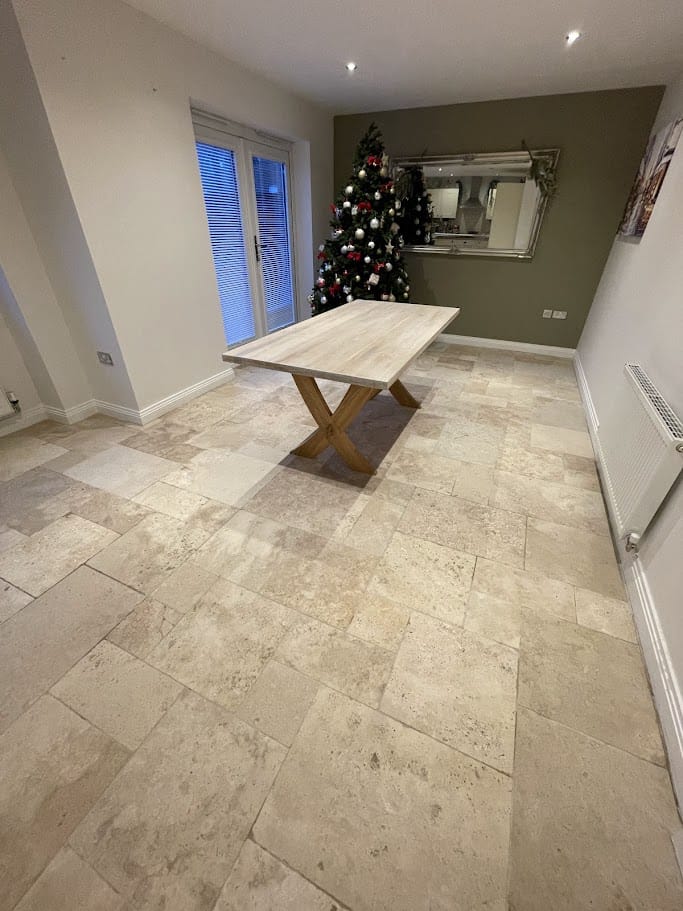
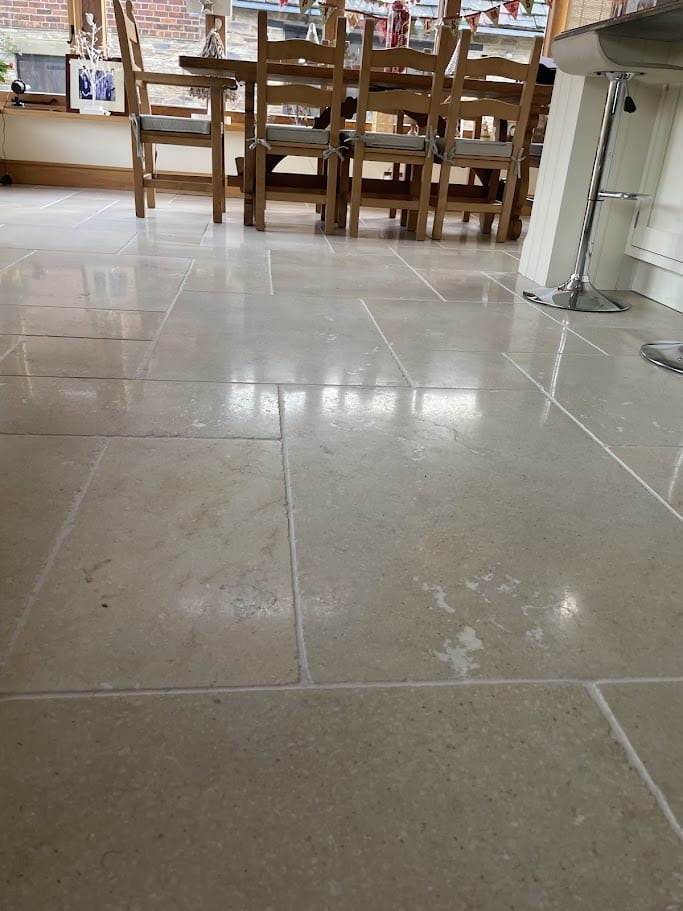
There is something powerful about walking into a room and seeing a travertine floor that reflects light beautifully again.
Not shiny in a plastic way.
Not coated.
But naturally restored.
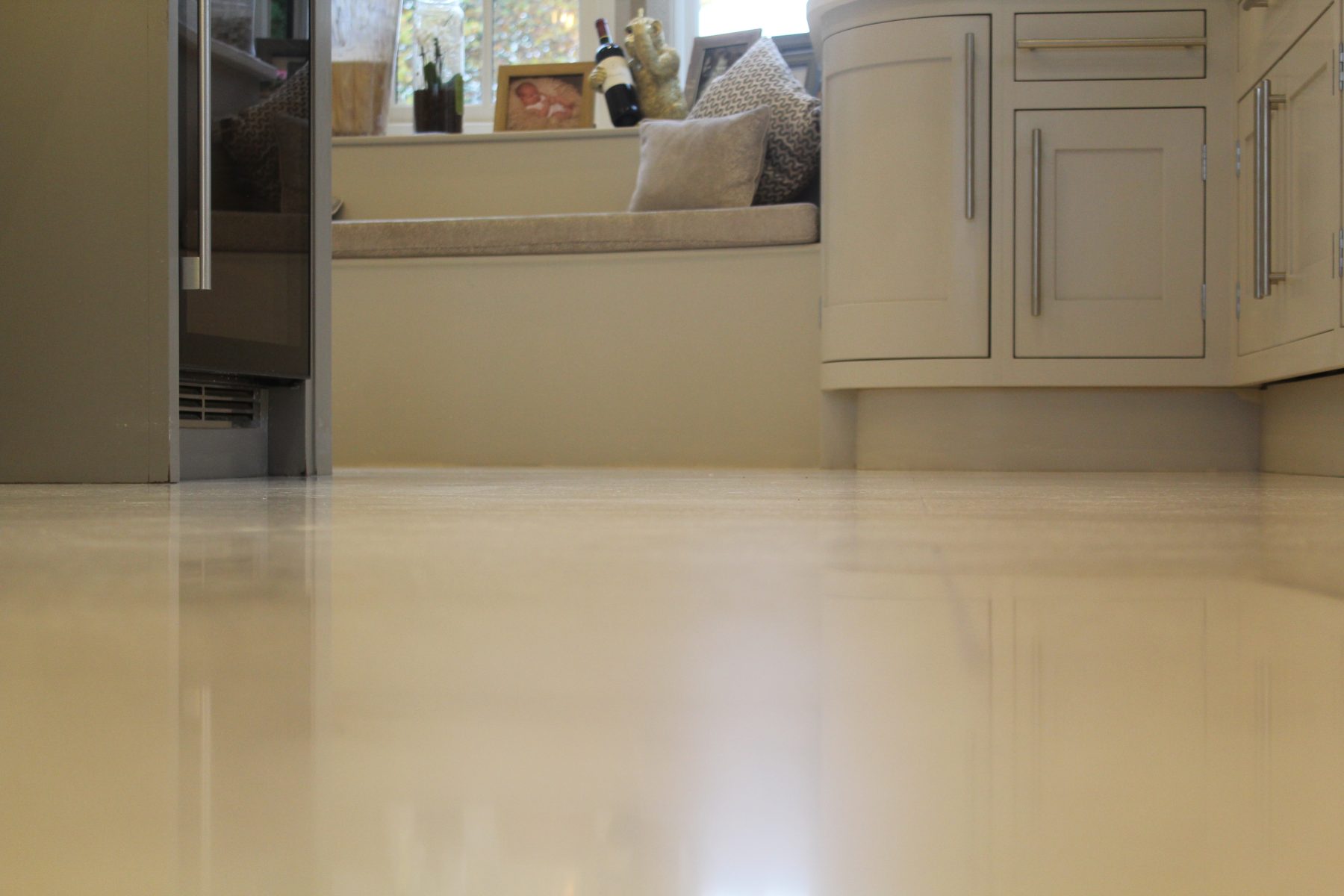
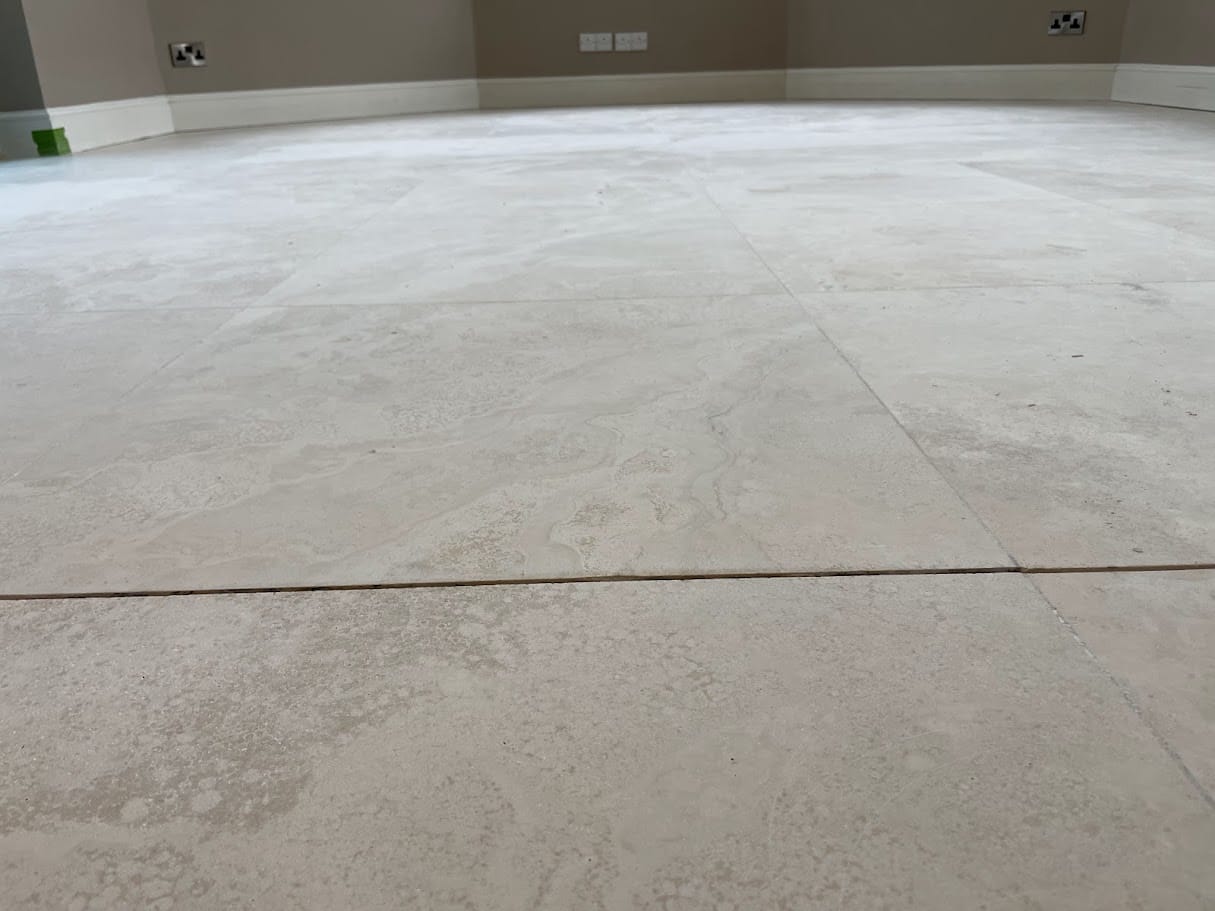
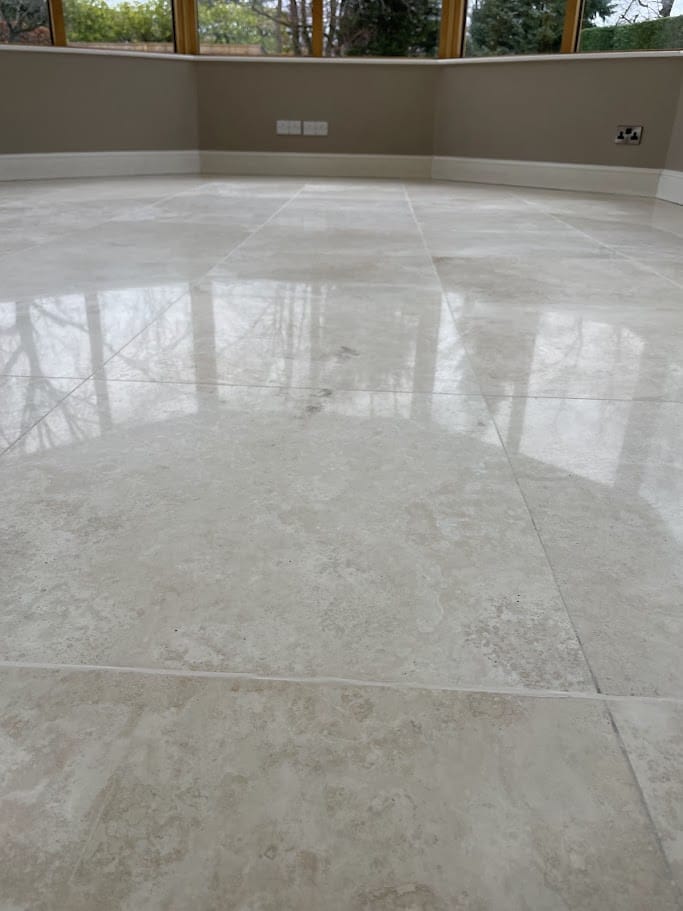
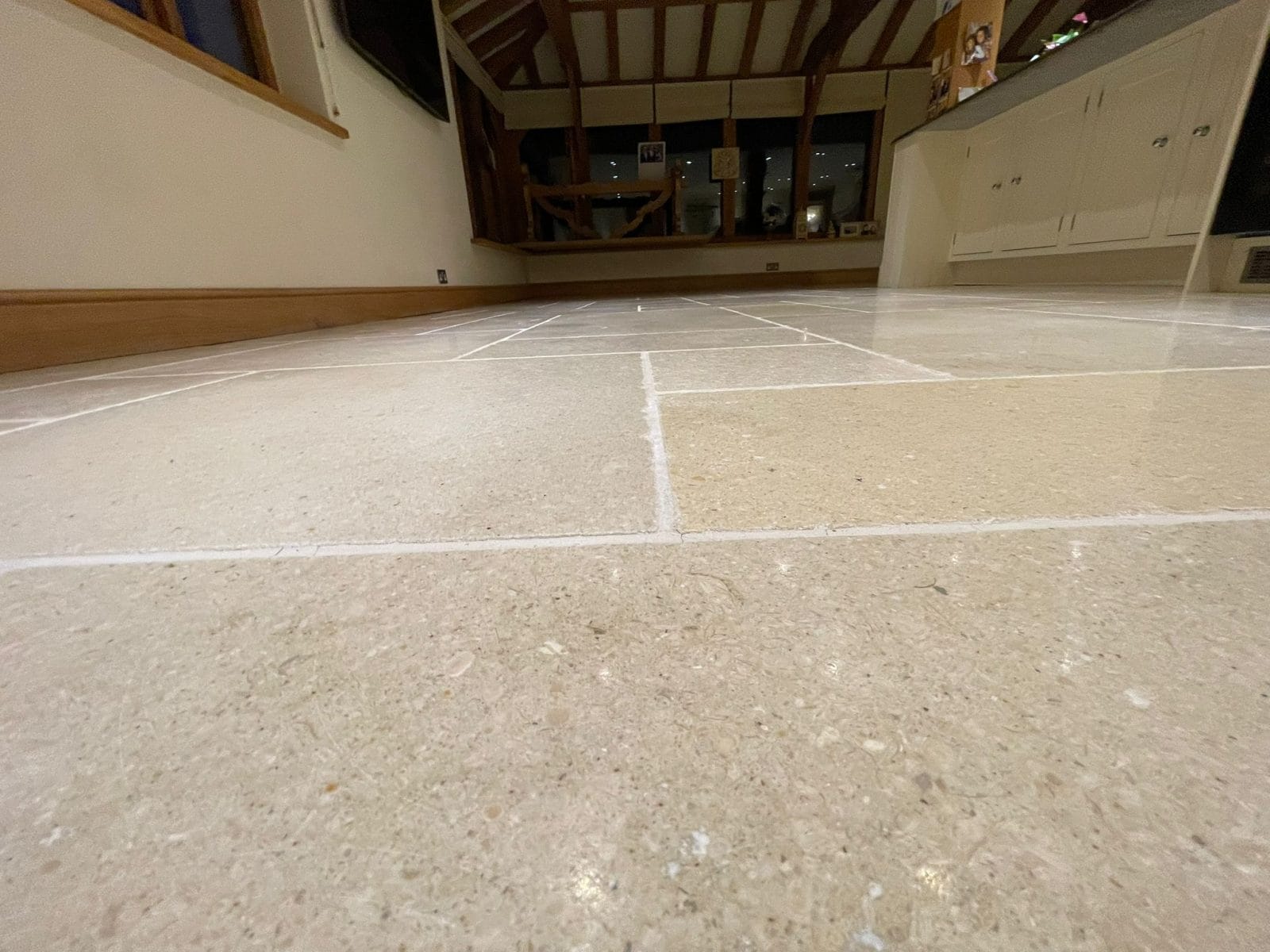
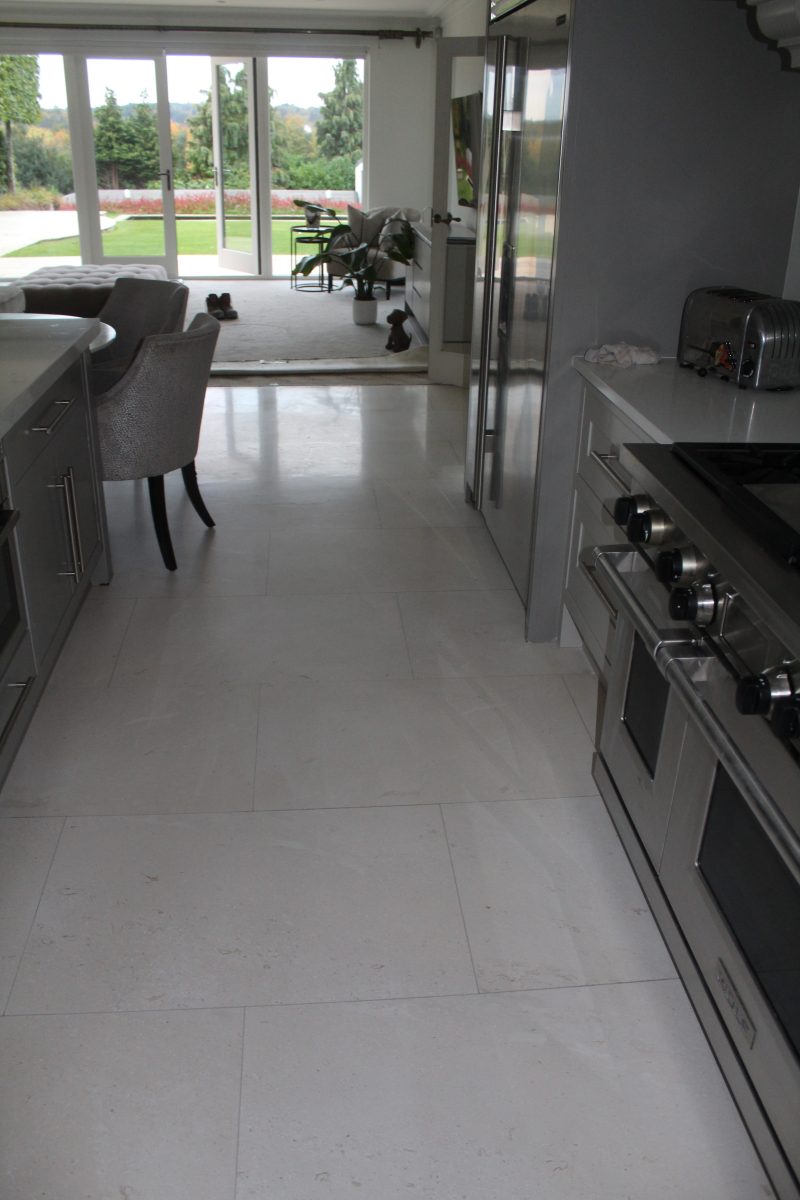
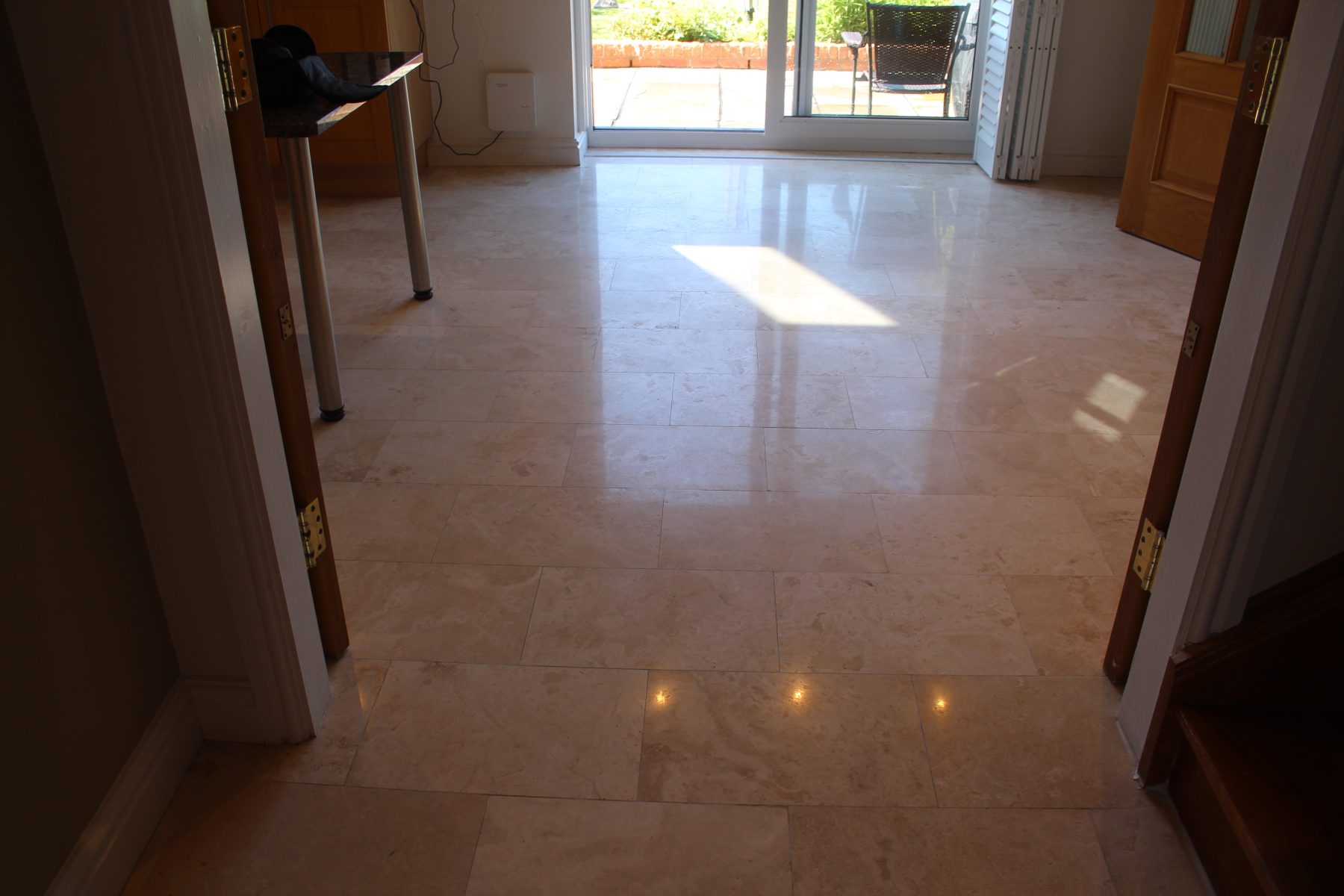
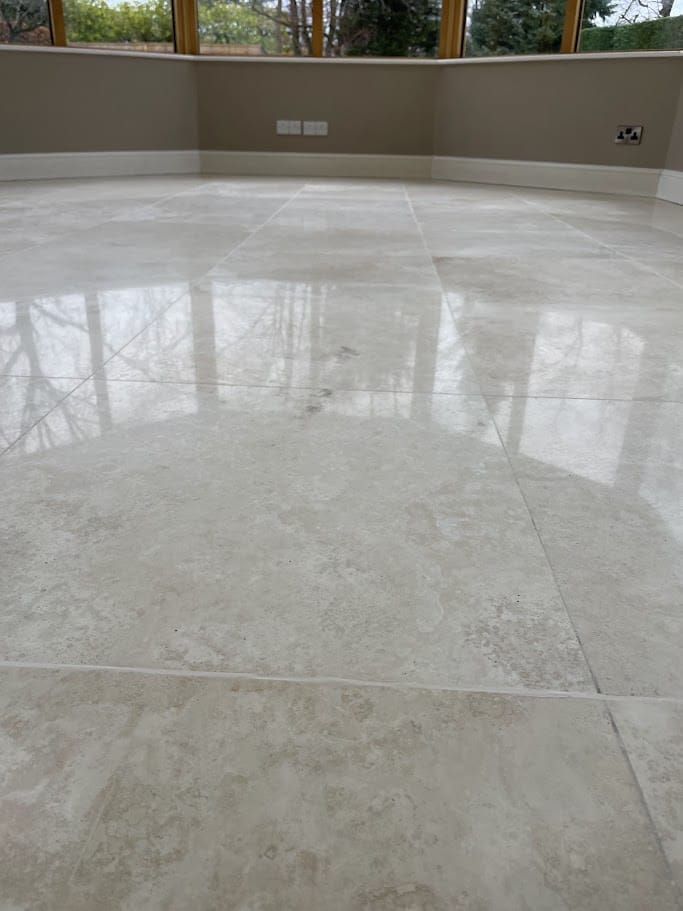
The images above show exactly that a tired, worn travertine floor brought back to life through professional travertine floor restoration.
What most homeowners don’t realise is this:
Travertine is not just a tile.
It is a natural limestone formed over thousands of years.
And if treated correctly, it can last 40–50 years or more.
If treated incorrectly, it can be permanently damaged in months.
See If Your Travertine Can Be Restored
What Happens When Travertine Floors Are Not Professionally Maintained?
Over time, travertine floors lose clarity.
-
Micro scratches dull the surface
-
Acidic cleaners cause etching
-
Dirt embeds into pores
-
Holes and capillaries reopen
-
Shine fades unevenly
You may not notice it gradually.
But one day you look down and think:
“It doesn’t look how it used to.”
That’s where proper travertine floor restoration makes all the difference.

What Professional Travertine Floor Restoration Actually Means
Many companies say they “clean” travertine.
Cleaning is not restoration.
At Hardfloor Restoration, professional travertine floor restoration involves:
✔ Deep travertine floor cleaning using pH-matched solutions
✔ Filling holes and capillaries correctly
✔ Diamond grinding to remove scratches and etching
✔ Honing to flatten and refine the surface
✔ Travertine floor polishing to restore clarity
✔ Sealing to protect against water and oil staining
We don’t mask damage.
We remove it.
That’s why the finish lasts.
What Professional Travertine Floor Restoration Actually Means
Many companies say they “clean” travertine.
Cleaning is not restoration.
At Hardfloor Restoration, professional travertine floor restoration involves:
✔ Deep travertine floor cleaning using pH-matched solutions
✔ Filling holes and capillaries correctly
✔ Diamond grinding to remove scratches and etching
✔ Honing to flatten and refine the surface
✔ Travertine floor polishing to restore clarity
✔ Sealing to protect against water and oil staining
We don’t mask damage.
We remove it.
That’s why the finish lasts.
Want This Finish in Your Home?

Why You Should Never Use a General Cleaner or Tiler for Travertine Floor Repair
Travertine is soft compared to granite.
It reacts to acids.
It absorbs moisture.
General tilers install stone.
They don’t restore it.
Professional travertine floor restoration requires:
-
Industrial diamond abrasives
-
Correct grit progression
-
Flatness control
-
Knowledge of stone chemistry
-
Proper sealing systems
When done properly, the surface becomes easier to maintain, more hygienic, and far more resistant to daily wear.
When done incorrectly, the damage can be irreversible.
The Long-Term Value of Travertine Floor Maintenance
Travertine floors are an investment.
A professionally restored and maintained travertine floor can:
-
Last 40–50 years
-
Maintain its natural character
-
Increase property value
-
Stay hygienic and easy to clean
-
Avoid full replacement costs
Replacement of a natural stone floor can cost tens of thousands.
Restoration protects that investment.
Travertine Floor Polishing vs Travertine Floor Restoration
Many homeowners search for:
-
Travertine floor polishing
-
Travertine floor cleaning
-
Travertine floor repair
But true travertine floor restoration combines all three.
Polishing without grinding leaves scratches underneath.
Cleaning without sealing leaves the stone exposed.
Repair without flattening creates unevenness.
Restoration is a system — not a single step.
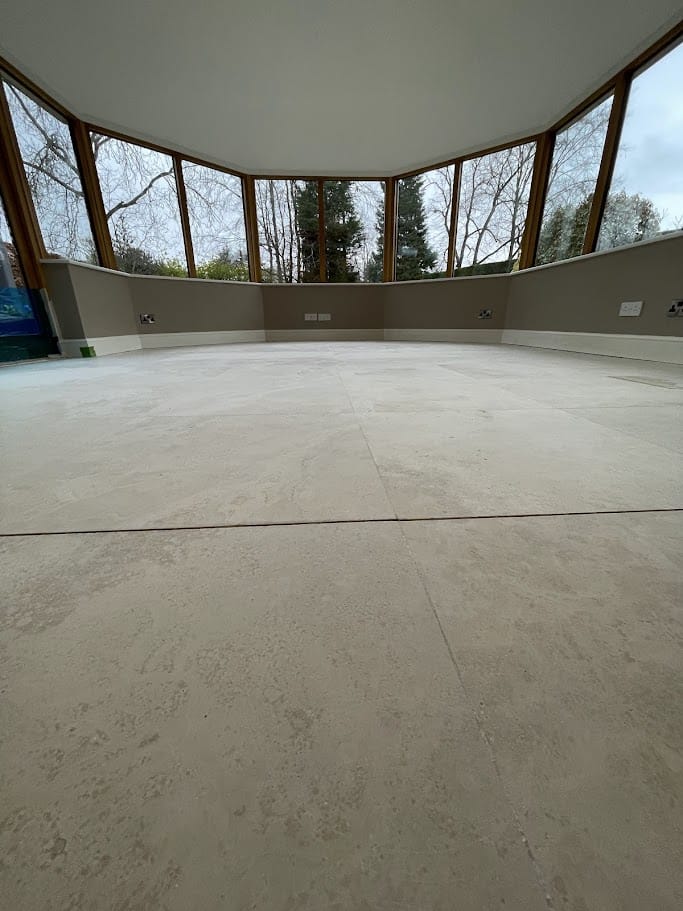
Before & After: What Changed in This Travertine Floor?
Looking at the restored floor:
-
Surface clarity is dramatically improved
-
Light reflection is consistent
-
Scratches have been removed
-
Tone is even across the entire room
-
The finish looks natural — not coated
This is what professional travertine restoration should look like.
Not glossy for the sake of it.
But refined. Controlled. Balanced.
When Should You Restore a Travertine Floor?
You should consider professional travertine floor restoration if:
-
The shine has faded
-
You see scratches under light
-
The surface feels rough
-
Holes are reopening
-
Grout lines look uneven
-
Cleaning no longer improves appearance
The earlier you restore it, the less aggressive the process needs to be.
Ready to Restore Your Travertine Floor?
If your travertine floor has lost its shine, developed scratches, or simply doesn’t look how it should…
It doesn’t need replacing.
It needs restoring.
Complete the contact form and one of our specialists will assess your travertine floor and advise on the safest, most effective restoration process.
A properly restored travertine floor doesn’t just look better.
It feels different.
And once you see it restored properly — you won’t want to go back.
