
Limestone Cleaning Products & Sealers for Floors, Patios & Pool Surrounds
Choose the right product for routine dirt, algae, black spot, oil stains or sealing. Start with the problem you can see, then match it to the correct limestone cleaner or sealer.
- Limestone floor cleaners
- Patio algae and black spot cleaner
- Oil and grease stain treatment
- Natural and colour enhancing sealers
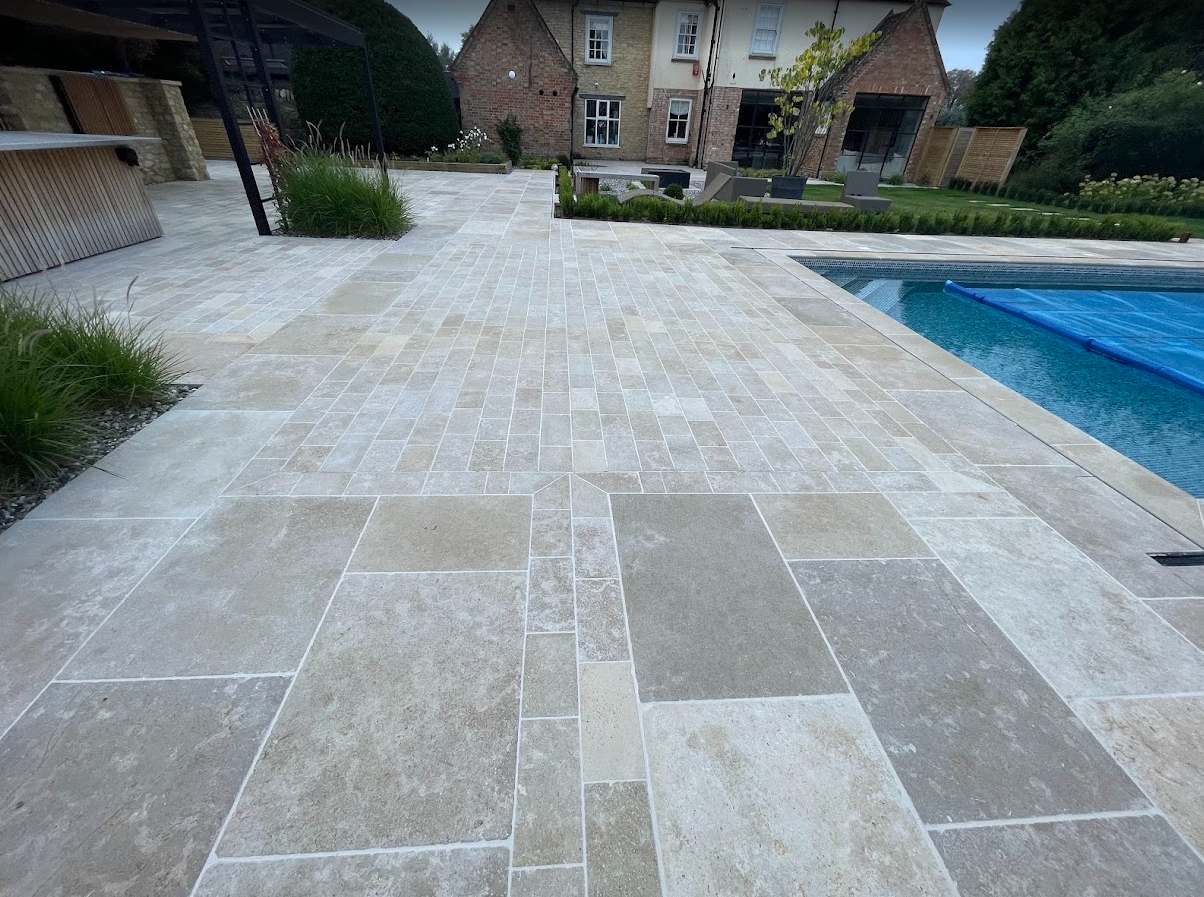
Choose the Right Limestone Cleaning Product
Five different problems do not need one generic cleaner. Choose the product that matches what is actually on the limestone.

HR Future Clean
For compatible limestone affected by everyday dirt, grease, traffic film and maintenance residue.
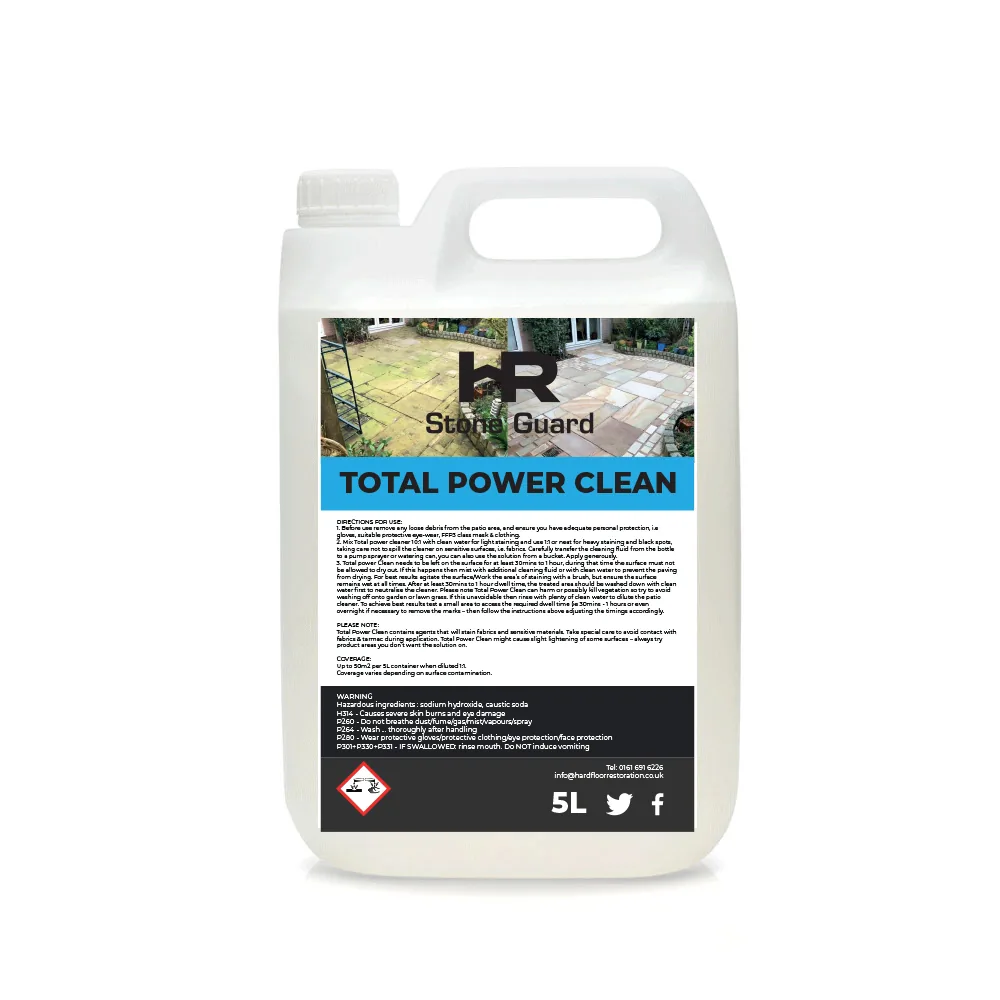
HR Total Power Clean
For compatible outdoor limestone affected by algae, lichen, black spot and established biological contamination.

HR Oil Off
For compatible limestone affected by an identified oily or greasy contaminant.

HR Total Finish Matt
For compatible clean limestone where protection is wanted while keeping the natural dry appearance.

HR Colour Enhancer
For compatible limestone where a tested richer tone and stronger natural contrast are deliberately wanted.
See What Limestone Cleaning and Care Can Look Like
These are genuine limestone projects. The right result starts by identifying whether the problem is dirt, outdoor growth, staining, lost colour or damage within the stone.


Which Limestone Cleaner or Sealer Do You Need?
Pick the problem that looks closest to yours. This gets you to the relevant product without making you read the whole page first.
Dirt, traffic film and general grime
Start with HR Future Clean for compatible limestone affected by normal dirt, grease and maintenance residue.
View HR Future Clean › Outdoor cleaningAlgae, lichen and black spot
Use the HR Total Power Clean route where compatible outdoor limestone has established organic contamination.
View patio cleaner › Stain treatmentOil and grease marks
Use HR Oil Off when the mark is oily rather than ordinary dirt, algae or mineral variation.
View HR Oil Off › Natural finishProtection without darkening
Use HR Total Finish Matt where compatible clean limestone needs protection while keeping its natural dry appearance.
View natural finish sealer › Richer colourFaded or pale black limestone
Use HR Colour Enhancer where a representative test confirms that deeper colour is wanted.
View colour enhancer › Not a cleaning problemEtching, scratches or lost finish
Cleaning products remove contamination. They do not mechanically repair damage within the limestone surface.
See when products are not enough ›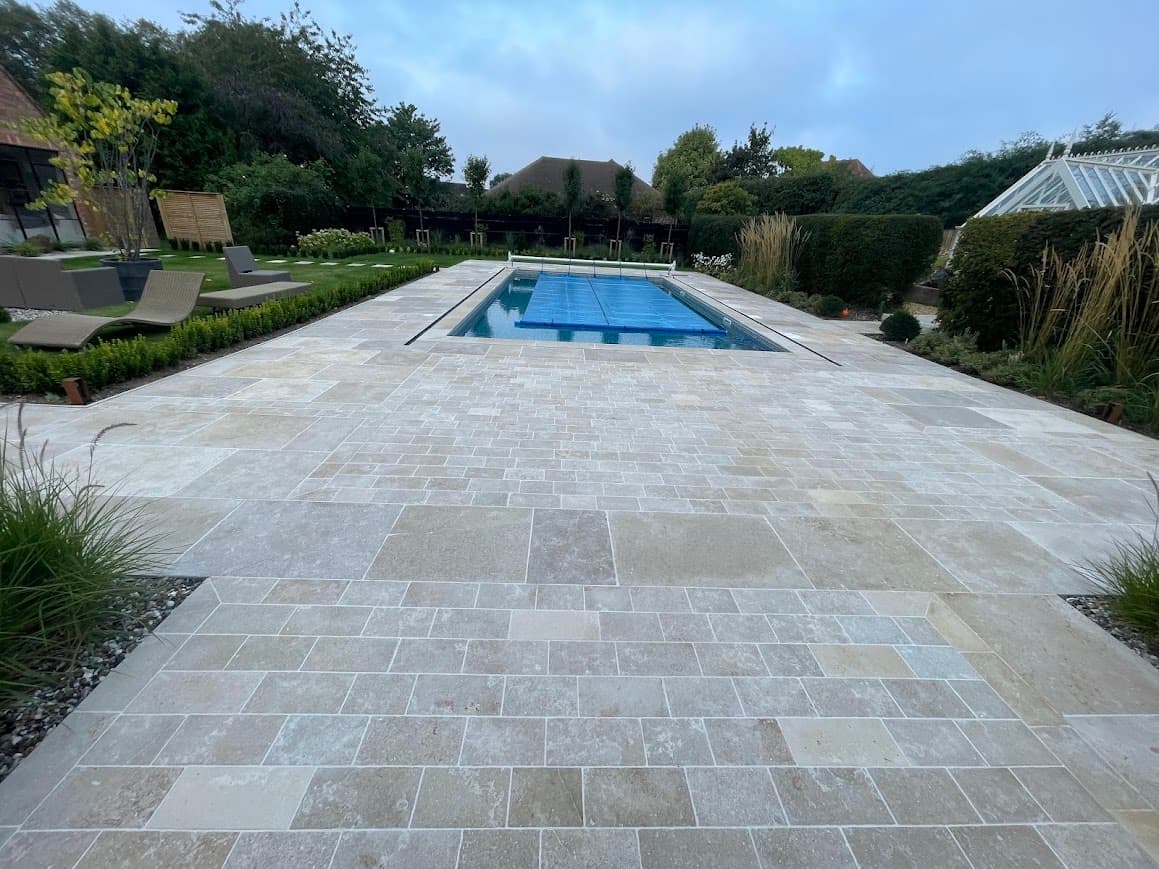
Cleaning an Indoor Limestone Floor
A limestone floor can look dull simply because soil, grease and maintenance residue have built up. But cleaning cannot remove every pale mark or scratch.
- Use a cleaner suitable for acid sensitive limestone
- Work out whether the issue is dirt, grease, residue or surface damage
- Test where the previous sealer or maintenance history is uncertain
- Remove dirty solution and residue rather than allowing it to dry back
- Judge the floor again once it is clean and dry
For compatible limestone in sound condition affected by normal dirt, grease and traffic film, HR Future Clean is the relevant starting point in the current range.
Cleaning Limestone Patios, Paths and Pool Surrounds
Outdoor limestone commonly develops algae, lichen, black spot, weather related dirt and local staining. The correct cleaner depends on what is actually causing the mark.
- Biological growth needs a different approach from ordinary floor dirt
- Oil and barbecue grease should be treated as oily contamination
- Faded black limestone may still look pale after it is clean
- Sealer should be considered only after the stone has been cleaned and assessed
For compatible outdoor limestone with established algae, lichen or black spot, HR Total Power Clean is the main problem specific route in the current range.

Why Black Limestone Can Still Look Pale After Cleaning
Cleaning removes contamination. It does not automatically recreate a darker colour if weathering, previous chemicals or surface change have altered how the stone looks.
- Clean the stone before judging the final dry colour
- Do not assume pale areas are still dirty
- Identify obvious acid damage or failed old treatment before sealing
- Test colour enhancement on a representative hidden area first
- Approve the darker appearance before treating the full area
Limestone Sealer: Natural Finish or Richer Colour?
These products are chosen for different visual outcomes. Decide how you want the clean limestone to look before choosing the sealer.
HR Total Finish Matt
For compatible limestone where impregnating protection is wanted without deliberate colour enhancement or a wet look.
View HR Total Finish Matt ›
HR Colour Enhancer
For compatible limestone where a representative test confirms that a richer tone and stronger natural contrast are deliberately wanted.
View HR Colour Enhancer ›
Pale Marks, Cement Residue and Acid Sensitive Limestone
A pale mark is not always ordinary dirt. It may be residue, staining, chemical damage, moisture related change or an old treatment.
- Work out whether the mark sits on the surface or the stone itself has changed
- Check the current product information before using any specialist chemical
- Do not mix cleaning products
- Use a controlled test where compatibility is uncertain
How to Approach Limestone Cleaning
The aim is simple: identify the problem, use a compatible product, let the limestone dry, then decide whether anything else is needed.
Identify the mark
Separate ordinary dirt, biological growth, oil, chemical damage and physical wear.
Choose the right product
Use the relevant cleaner or treatment rather than simply choosing the strongest chemical.
Follow current instructions
Read the label, use the recommended PPE, protect nearby materials and complete a test where needed.
Judge the dry result
Only then decide whether the limestone needs sealing, colour enhancement or professional attention.

Is the Limestone Clean but Still Dull, Scratched or Etched?
If the limestone is genuinely clean and dry but still looks cloudy, scratched, pale or worn, the problem may be within the stone surface.
Cleaning products remove contamination. They cannot mechanically remove etching, scratches or recreate a lost honed or polished finish.
Limestone Cleaning Products and Sealer FAQs
What is the best limestone cleaner for a floor?
What should I use to clean a limestone patio?
Can I use vinegar or limescale remover on limestone?
Why is my limestone still dull after cleaning?
How can I restore faded black limestone colour?
Which limestone sealer should I choose?
Can limestone scratches or etching be cleaned away?
Should limestone be sealed immediately after cleaning?
Find the Right Limestone Cleaner or Sealer
Choose HR Future Clean for normal floor dirt, HR Total Power Clean for suitable outdoor biological growth, HR Oil Off for oily contamination, then select the appropriate sealer only after the limestone is clean and assessed.
If the limestone is clean but still scratched, etched or dull, use the professional service route instead of trying a stronger cleaner.