
Indian Sandstone Sealer: Which Finish Should You Choose?
Indian sandstone can be sealed, but choosing the right product is not simply a case of buying the strongest sealer you can find.
First decide what you want the sandstone to look like afterwards. Some homeowners want the stone to stay close to its clean, dry appearance. Others want deeper colour and stronger variation, similar to how the sandstone looks when damp.
This guide will help you decide whether your patio is ready to be sealed, which finish suits you and which of our two impregnating sealers is the better fit.
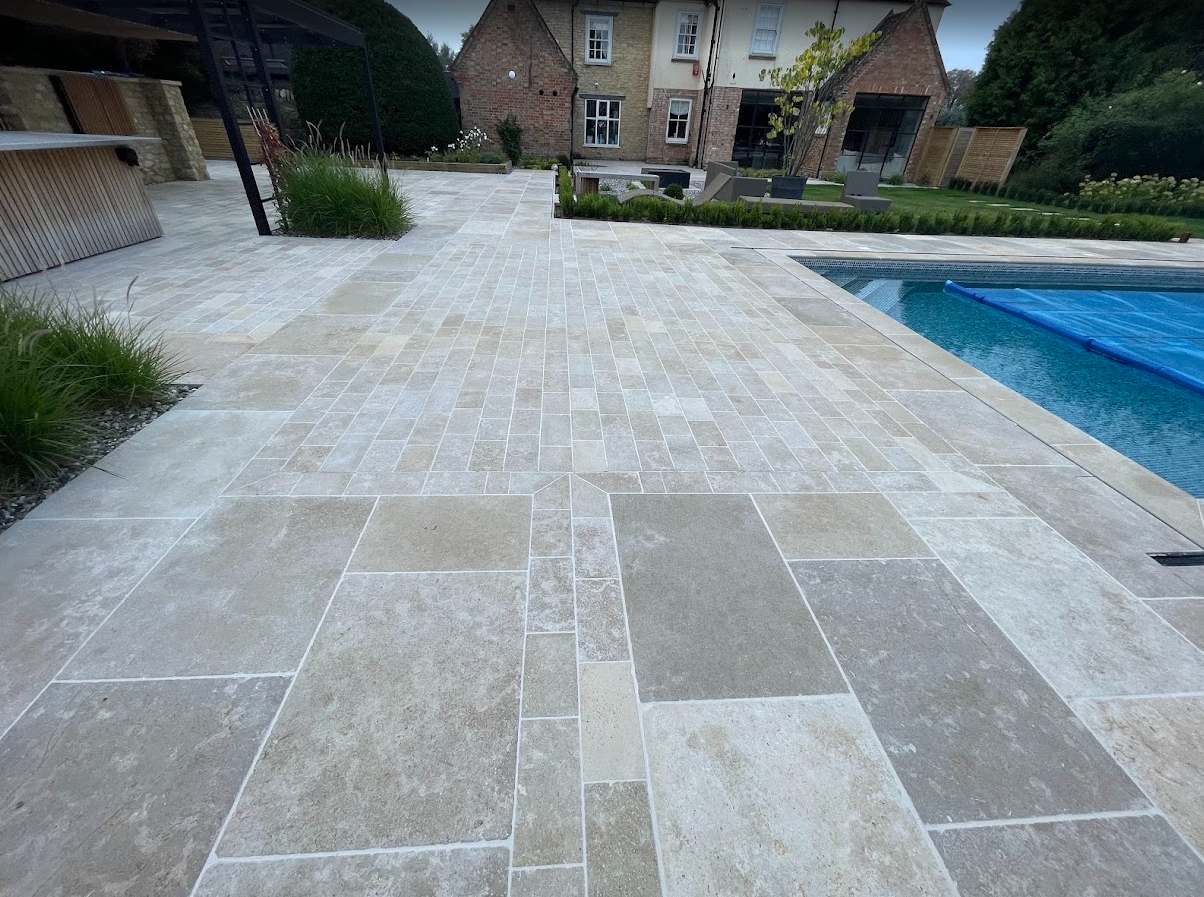
 Indian sandstone during colour enhancement
 Before and after
 See the finish change
Should Indian Sandstone Be Sealed?
It can be, but not every patio needs sealing immediately and not every patio is ready for it.
Sealing makes most sense once the sandstone is clean, any staining or contamination has been dealt with, previous treatments are understood and you know which final appearance you want.
Seal it when the surface is ready
Good reason to seal: you want compatible porous sandstone to receive impregnating protection and you have chosen the finish you want.
Reason to wait: black spot, algae, rust marks, cement residue, grease, damp issues or an unknown old coating still need attention.
Most important: sealing should be the final stage of the job, not a way of covering up an unresolved problem.
Is Your Indian Sandstone Ready for Sealer?
A homeowner often starts by asking which sealer to buy. The better question is whether the stone is actually ready to be sealed.
Good Time to Consider Sealing
- The sandstone is properly clean
- The stone has been allowed to dry correctly
- You know whether an old treatment is present
- You have chosen natural or enhanced appearance
- You have tested the actual product on your own stone
Wait Before Sealing
- Black spot or algae is still visible
- Rust or orange staining has not been identified
- Cement or grout residue remains
- The patio has an unknown old coating
- You are not sure whether you want the colour to change
Natural Indian Sandstone or Richer Colour?
Both are valid choices. The best sealer for you depends on the finished patio you actually want to look at every day.
HR Total Finish Matt
Choose this route if you like the appearance of your sandstone when it is clean and dry and do not deliberately want to deepen the colour.
HR Total Finish Matt is positioned for compatible surfaces where the aim is impregnating protection while keeping the appearance closer to the natural dry finish.
View HR Total Finish Matt
HR Colour Enhancer
Choose this route if you prefer the deeper reds, greys and warmer tones that become more visible when your sandstone is damp.
HR Colour Enhancer is designed to deepen the natural colour of compatible porous sandstone while adding impregnating protection.
See HR Colour Enhancer
What About Kandla Grey Indian Sandstone?
Kandla Grey is one of the Indian sandstone types people most often ask us about.
It can look fairly pale and understated when dry, then noticeably darker and more varied once wet. That is why the finish decision matters so much.
If you like Kandla Grey pale and subtle, the natural matt route will usually make more sense. If you prefer it deeper and stronger when damp, a colour enhancing treatment may be closer to the result you have in mind.
Prepare Indian Sandstone Before Sealing
Most disappointing sealing results begin with a preparation problem. The patio should be clean, suitable and properly assessed before the final treatment is applied.
Clean
Remove the dirt and contamination that should not be left underneath the finished treatment.
Identify Stains
Black spot, iron staining, cement residue and grease are different problems and may need different treatments.
Allow to Dry
Follow the current product label and make sure the surface meets the required conditions before application.
Test First
Test an inconspicuous representative area so you know how your own sandstone responds.
What If the Sandstone Is Dirty or Stained?
If the patio still has a problem, sort that before choosing the final sealer.
Black Spot and Algae
Organic contamination should be dealt with before sealing rather than hidden underneath the final treatment.
Read the Indian sandstone cleaning guideGeneral Patio Cleaning
If you are still deciding how to clean the patio properly before sealing, start with the main patio cleaner page.
Explore patio cleaning optionsNot Sure Which Sealer?
If your paving is not Indian sandstone or you want to compare the wider sealer choices, use the main patio sealer guide.
Compare patio sealersIndian Sandstone Before and After Sealing
The safest way to understand colour enhancement is to see what it does on real paving.


Frequently Asked Questions
What is the best sealer for Indian sandstone?
The best choice depends on the finish you want and the condition of the sandstone. If you want to keep a more natural dry appearance, consider HR Total Finish Matt. If you deliberately want deeper colour, consider HR Colour Enhancer.
Should Indian sandstone be sealed?
Indian sandstone can be sealed, but sealing is not automatically required in every situation. Consider the condition of the stone, previous treatments, exposure, staining risk and the finished appearance you want.
Does sealing Indian sandstone change the colour?
It depends on the product. Some treatments are chosen to retain a more natural appearance while colour enhancing products deliberately deepen the natural tones. Test your own sandstone before treating the full area.
What is the best sealer for Kandla Grey sandstone?
Start with the appearance you want. If you prefer Kandla Grey pale and natural, consider the matt route. If you prefer the darker appearance it shows when damp, a tested colour enhancing treatment may be more suitable.
Can I get a wet look on Indian sandstone?
If by wet look you mean deeper natural colour, HR Colour Enhancer may be relevant on compatible sandstone. It is positioned as a colour enhancing impregnating treatment rather than a promise of a heavy glossy surface coating.
Can I put sealer over an old sandstone sealer?
Do not assume the products will be compatible. Existing treatments can change absorption and appearance. Identify the old treatment and follow the current product guidance before applying anything new.
How long should I wait before sealing Indian sandstone?
Follow the current label for the exact sealer you intend to use. Weather, stone porosity, moisture and previous cleaning all affect when the surface is ready.
Should I clean Indian sandstone before sealing?
Yes, unresolved dirt and contamination should be dealt with before sealing. If black spot, algae, rust, cement residue or another problem is present, identify and treat it correctly first.
Natural Sandstone or Richer Colour?
Once the patio is clean and ready, the choice becomes much simpler. Decide whether you want the sandstone to stay close to its natural dry appearance or whether you want to bring out deeper colour.